

 English
 русский
The primary difference between an Inside BOP and an API 16A BOP lies in their installation point and functional mechanism: the Inside BOP acts as a heavy-duty check valve within the drill string to prevent internal flow, while the API 16A BOP is a massive surface pressure control system designed to seal the wellbore annulus or the top of the well. Choosing the right combination depends on whether you are mitigating an internal drill pipe kick or a total wellbore blowout.
Content
- What Is an Inside BOP and Why Is It Critical for Drill String Integrity?
- Which Standards Define a High-Quality API 16A BOP System?
- What Are the Structural Differences Between Inside BOP and API 16A BOP?
- How Do These Tools Work Together During a Well Control Incident?
- Frequently Asked Questions (FAQ)
- Conclusion: Why Modern Rigs Need Both Systems
What Is an Inside BOP and Why Is It Critical for Drill String Integrity?
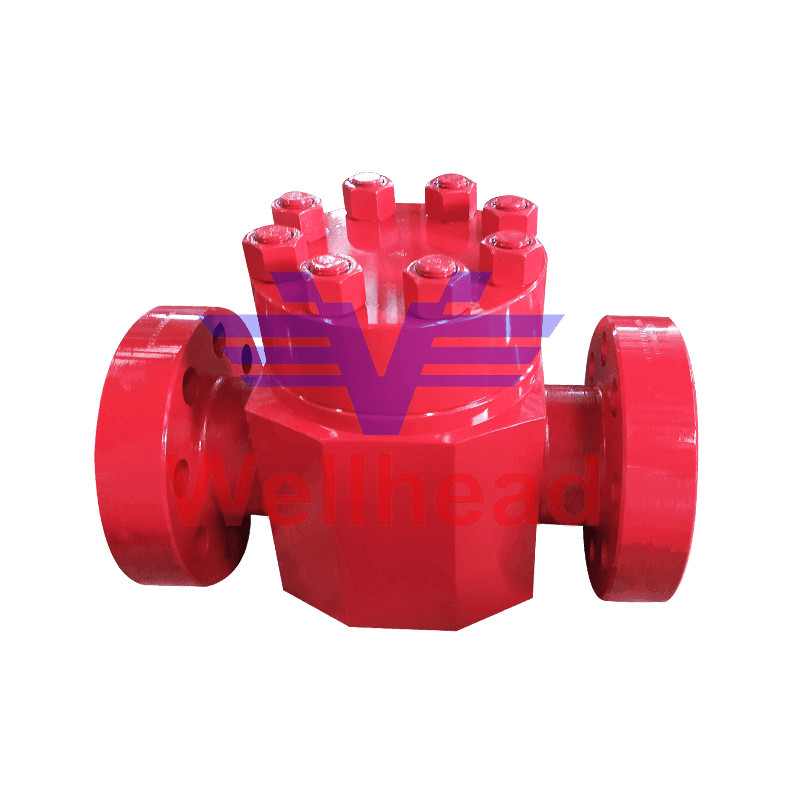
An Inside BOP, often referred to as a Gray Valve, is a drop-in check valve designed to prevent high-pressure fluids from flowing up through the inside of the drill pipe. It is the first line of defense when the pressure inside the drill string exceeds the hydrostatic pressure of the mud.
During tripping operations, if a kick occurs, the Inside BOP is stabbed into the drill string in the open position and then closed to stop the upward flow. This allows the crew to safely circulate heavy kill fluid down through the valve (since it is a one-way valve) while preventing any backflow. For example, in a deep-water well with a bottom-hole pressure of 10,000 psi, an Inside BOP prevents a catastrophic "fountain" effect on the rig floor, protecting personnel and equipment.
Key Technical Features of the Inside BOP
- Internal Flow Control: Specifically engineered to handle high-velocity internal surges.
- Tapered Plunger Design: Ensures a tight metal-to-metal seal even in the presence of abrasive drilling mud.
- High Pressure Rating: Standard units are tested to withstand pressures up to 15,000 psi.
Which Standards Define a High-Quality API 16A BOP System?
An API 16A BOP is a blowout preventer manufactured and tested according to the American Petroleum Institute’s Specification 16A, which dictates rigorous requirements for design, temperature ratings, and material toughness. This standard ensures that the equipment can survive the harshest environments, including H2S service and extreme temperatures ranging from -20°F to 250°F.
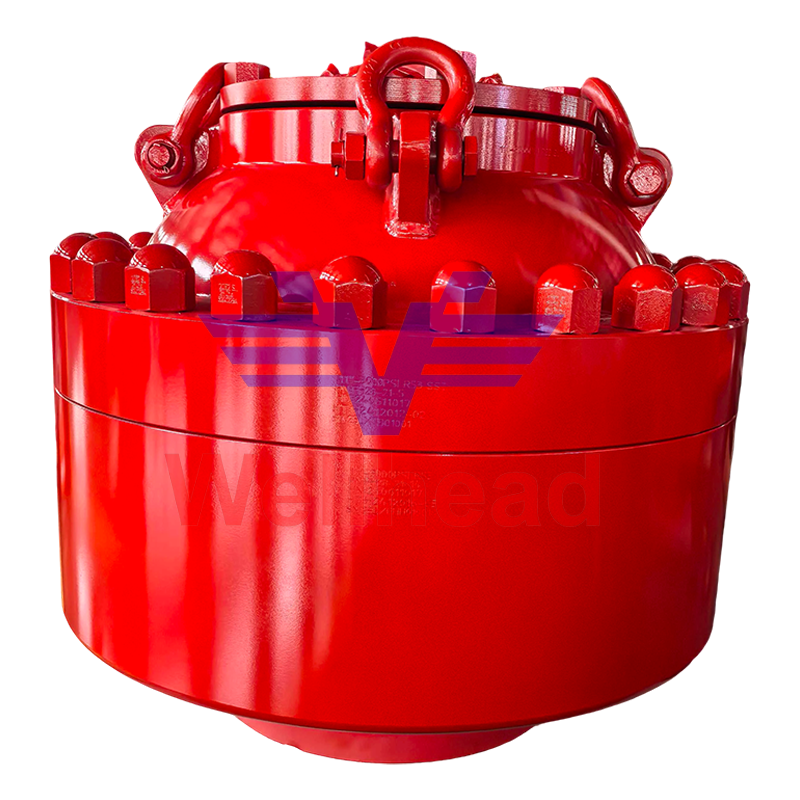
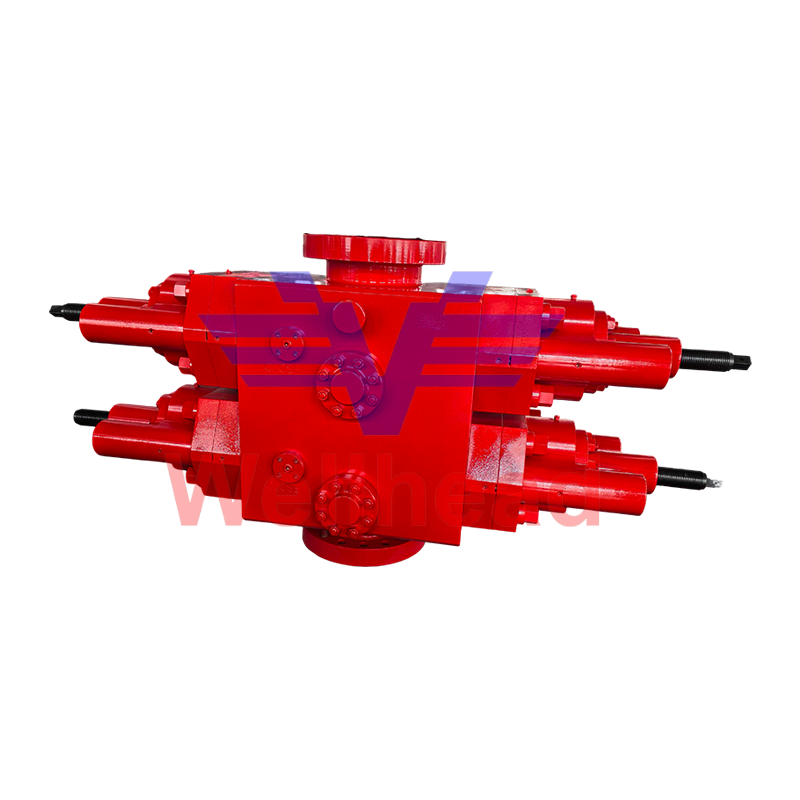
The API 16A BOP category includes both Ram preventers and Annular preventers. Ram preventers use large steel "rams" to squeeze against the drill pipe or shear it entirely, whereas Annular preventers use a reinforced rubber packing element to seal around any object in the wellbore. Statistical data from offshore operations indicates that API 16A BOP stacks have a reliability rate exceeding 98% when maintained according to the specified five-year major inspection cycles.
Essential Components of API 16A Compliance
- Material Traceability: Every forged component must have documented chemical and physical properties.
- Hydraulic Actuation: Systems must be capable of closing within specific timeframes (e.g., under 30 seconds for rams).
- Bolted Covers: Features like the "door" or "bonnet" must withstand massive separation forces during a kick.
What Are the Structural Differences Between Inside BOP and API 16A BOP?
The structural divergence is rooted in their scale and placement: the Inside BOP is a portable, compact tool integrated into the drill string, while the API 16A BOP is a massive, permanent fixture of the wellhead stack.
| Feature | Inside BOP (Gray Valve) | API 16A BOP (Stack) |
|---|---|---|
| Primary Function | Internal pipe pressure control | Annular and wellbore pressure control |
| Installation | Inserted into the drill string | Mounted on the wellhead (surface or subsea) |
| Mechanism | Spring-loaded plunger / Check valve | Hydraulic Rams or Annular packing units |
| Operation | Manual stabbing / Automatic closure | Remote hydraulic control (BOP Control Unit) |
| Size Range | 2-3/8" to 7-5/8" (Pipe size) | 7-1/16" to 21-1/4" (Bore size) |
How Do These Tools Work Together During a Well Control Incident?
A comprehensive well control strategy requires the simultaneous use of both the Inside BOP and the API 16A BOP to isolate both the annular space and the internal pipe bore. Reliance on just one can lead to an "uncontrolled flow path" that bypasses surface safety systems.
Consider a scenario where a gas kick is detected. The driller first closes the API 16A BOP (annular) to stop flow around the outside of the pipe. However, gas can still travel up the inside of the drill pipe. This is where the crew stabs the Inside BOP. Without the Inside BOP, the pressurized gas would reach the top drive or swivel, potentially causing a surface explosion. In a documented case study in the North Sea, the rapid deployment of an Inside BOP alongside an API 16A BOP stack saved an estimated $50 million in rig damage during a 15,000 psi surge.
Maintenance and Testing Procedures
Regular testing is the only way to ensure these safety devices work. For the API 16A BOP, this involves low-pressure and high-pressure hydraulic tests every 14 to 21 days. The Inside BOP must be function-tested before every trip to ensure the plunger moves freely and the seals are intact.
Frequently Asked Questions (FAQ)
Q1: Can an Inside BOP be used as a permanent valve?
A: No, an Inside BOP is designed for temporary emergency use during well control. It should be replaced by a permanent Kelly Cock or Lower Kelly Valve for long-term drilling operations.
Q2: What does the "16A" in API 16A BOP actually mean?
A: It refers to the specific API technical committee and document number that sets the industry-standard specifications for drill-through equipment, including rams, spools, and connectors.
Q3: How do you choose the right size for an Inside BOP?
A: You must match the Inside BOP connections (NC38, NC50, etc.) to your drill string’s tool joint connections to ensure a secure and leak-proof fit during an emergency.
Q4: Are API 16A BOP rams interchangeable between different manufacturers?
A: Generally, no. While the API 16A BOP standard ensures performance, the internal geometries of rams are often proprietary to the design of the specific preventer body.
Conclusion: Why Modern Rigs Need Both Systems
Optimal well control is achieved by integrating the internal protection of an Inside BOP with the external containment capabilities of an API 16A BOP. Together, they form a redundant safety barrier that protects against diverse blowout scenarios.
Investing in high-quality, certified equipment is not just a regulatory requirement; it is a fundamental pillar of operational risk management. By understanding the specific roles of the Inside BOP and the API 16A BOP, operators can significantly reduce non-productive time (NPT) and ensure the safety of their most valuable asset: their people.
 + 86-0515-88429333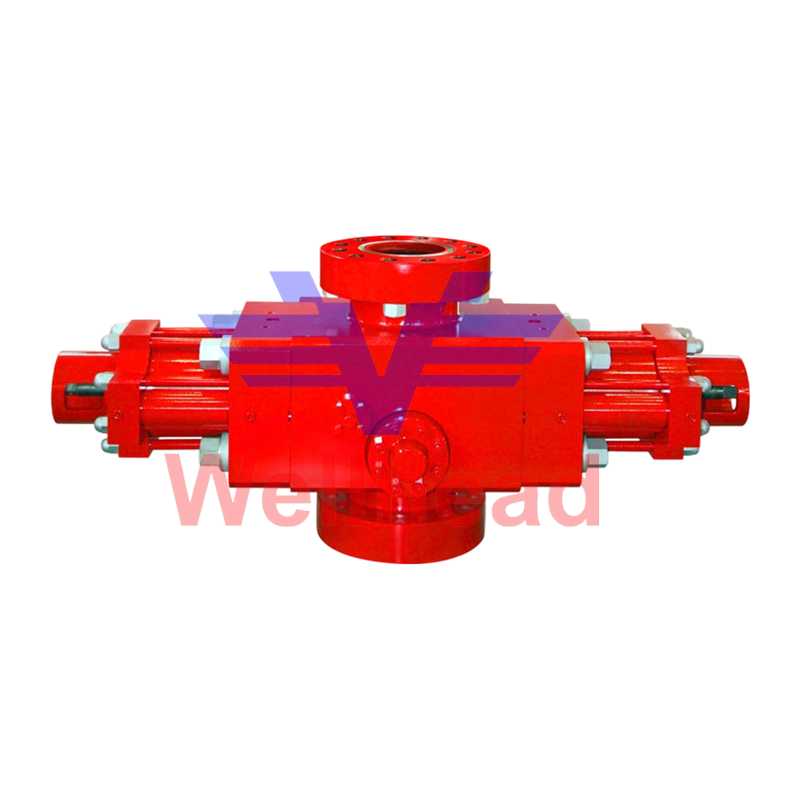

 CONTACT US
