

 English
 русский
In modern industrial environments, fluid control under extreme conditions has become increasingly demanding. Industries such as oil and gas, petrochemical processing, power generation, and chemical manufacturing often operate under high pressures and temperatures, where reliability and safety are non-negotiable. In this context, the High Pressure Plug Valve has emerged as a preferred solution for managing flow control efficiently and securely.
Known for their robust construction, tight sealing capability, and long service life, High Pressure Plug Valves are widely adopted in applications where conventional valve types may struggle to perform consistently. Understanding their advantages helps engineers, procurement managers, and plant operators make informed decisions for critical systems.
Content
- What Is a High Pressure Plug Valve?
- Key Advantages of Using a High Pressure Plug Valve
- High Pressure Plug Valve vs Other Valve Types
- Typical Applications of High Pressure Plug Valves
- Material Options and Customization
- Factors to Consider When Selecting a High Pressure Plug Valve
- Frequently Asked Questions (FAQ)
- Growing Importance of High Pressure Plug Valves in Modern Industry
What Is a High Pressure Plug Valve?
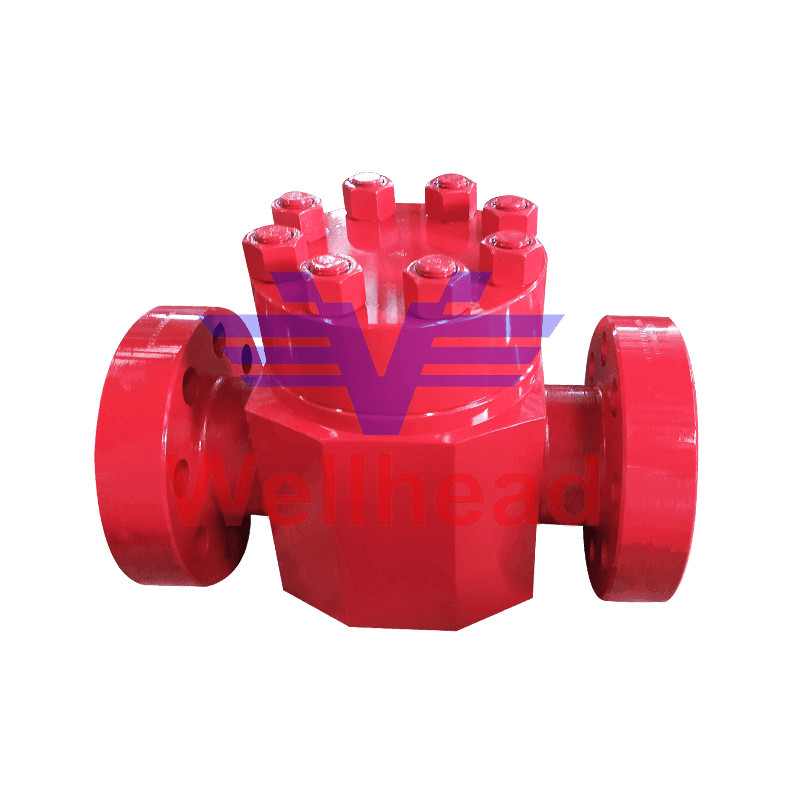
A High Pressure Plug Valve is a quarter-turn valve that uses a cylindrical or tapered plug with a through-port to control fluid flow. When the plug rotates, the port aligns with the pipeline to allow flow or turns perpendicular to block it completely.
Unlike standard plug valves, high-pressure designs are engineered with reinforced bodies, advanced sealing materials, and precision machining to withstand extreme internal pressures. These valves are often used in systems where pressure levels exceed hundreds or even thousands of PSI.
Basic Structure and Working Principle
- Valve Body: Manufactured from forged steel, stainless steel, or alloy materials for pressure resistance.
- Plug: A solid component with a bore that allows or stops flow through rotation.
- Sealing System: Metal-to-metal or soft-seated seals designed for tight shutoff.
- Actuation: Manual, pneumatic, electric, or hydraulic operation options.
Key Advantages of Using a High Pressure Plug Valve
1. Excellent Sealing Performance Under High Pressure
One of the most significant advantages of a High Pressure Plug Valve is its ability to maintain a tight seal even under extreme pressure conditions. The plug design allows for uniform contact between the sealing surfaces, minimizing leakage risks.
In high-pressure pipelines, even minor leaks can lead to safety hazards, product loss, and costly downtime. Plug valves provide dependable shutoff, making them suitable for critical isolation duties.
2. Simple and Robust Design
High Pressure Plug Valves feature a relatively simple internal structure compared to globe or control valves. This simplicity translates into:
- Fewer internal components
- Lower risk of mechanical failure
- Improved durability under harsh conditions
The rugged design allows the valve to perform reliably in environments with vibration, pressure fluctuations, and aggressive media.
3. Fast Operation with Quarter-Turn Mechanism
The quarter-turn operation of a High Pressure Plug Valve enables rapid opening and closing. This is particularly advantageous in emergency shutdown systems and processes where quick isolation is required.
Compared to multi-turn valves, plug valves reduce operation time and minimize operator effort, especially when integrated with automated actuators.
4. Strong Resistance to Corrosion and Erosion
High-pressure plug valves are often manufactured using corrosion-resistant alloys and protective coatings. These features allow them to handle:
- Corrosive chemicals
- Abrasive fluids
- High-temperature media
This resistance extends the valve’s service life and reduces the frequency of replacement or repair.
5. Minimal Pressure Drop
When fully open, the flow path in a High Pressure Plug Valve is relatively straight, resulting in minimal pressure drop across the valve. This is especially beneficial in high-pressure systems where maintaining flow efficiency is critical.
Lower pressure drop contributes to improved system performance and reduced energy consumption.
6. Low Maintenance Requirements
Due to their sturdy construction and fewer moving parts, High Pressure Plug Valves generally require less maintenance compared to other valve types. Many designs feature self-lubricating plugs or external lubrication systems, further reducing wear.
Lower maintenance needs translate into reduced operational costs and less downtime for industrial facilities.
High Pressure Plug Valve vs Other Valve Types
High Pressure Plug Valve vs Ball Valve
- Sealing: Both offer excellent sealing, but plug valves perform better in high-temperature and abrasive conditions.
- Durability: Plug valves typically have thicker bodies and are more robust for extreme pressure applications.
- Maintenance: Ball valves may require seat replacement more frequently under harsh conditions.
High Pressure Plug Valve vs Gate Valve
- Operation Speed: Plug valves operate faster with quarter-turn action.
- Size: Plug valves are more compact compared to large gate valves.
- Pressure Handling: Plug valves handle pressure cycling more effectively.
High Pressure Plug Valve vs Globe Valve
- Flow Control: Globe valves are better for throttling, while plug valves excel at isolation.
- Pressure Drop: Plug valves create significantly less pressure loss.
- Complexity: Plug valves have a simpler internal structure.
Typical Applications of High Pressure Plug Valves
The versatility of the High Pressure Plug Valve allows it to be used across a wide range of industries:
- Oil and gas transmission pipelines
- Petrochemical and chemical processing plants
- Power generation and steam systems
- Refineries and offshore platforms
- High-pressure water injection systems
These applications demand consistent performance, safety, and long-term reliability under extreme conditions.
Material Options and Customization
High Pressure Plug Valves are available in various materials to match specific operational requirements:
- Carbon Steel: Suitable for general high-pressure applications.
- Stainless Steel: Ideal for corrosive or hygienic environments.
- Alloy Steel: Designed for extreme temperatures and pressures.
Customization options may include special coatings, pressure ratings, end connections, and actuation methods.
Factors to Consider When Selecting a High Pressure Plug Valve
- Maximum operating pressure and temperature
- Type of fluid or gas
- Required sealing performance
- Maintenance accessibility
- Compliance with industry standards
Careful evaluation of these factors ensures optimal performance and safety throughout the valve’s lifecycle.
Frequently Asked Questions (FAQ)
What makes a High Pressure Plug Valve suitable for extreme conditions?
The combination of robust materials, precision sealing surfaces, and reinforced body design allows High Pressure Plug Valves to perform reliably under extreme pressure and temperature conditions.
Can a High Pressure Plug Valve be used for throttling?
While plug valves can handle limited throttling, they are primarily designed for on-off or isolation service. Continuous throttling may accelerate wear on the plug and sealing surfaces.
How long does a High Pressure Plug Valve typically last?
With proper selection, installation, and maintenance, a High Pressure Plug Valve can operate effectively for many years, even in demanding industrial environments.
Are High Pressure Plug Valves compatible with automation?
Yes, these valves can be equipped with pneumatic, electric, or hydraulic actuators, making them suitable for automated control systems.
Do High Pressure Plug Valves require frequent lubrication?
Many designs incorporate self-lubricating features or external lubrication points, significantly reducing the need for frequent manual lubrication.
Growing Importance of High Pressure Plug Valves in Modern Industry
As industrial systems continue to evolve toward higher efficiency, safety, and performance standards, the role of the High Pressure Plug Valve becomes increasingly critical. Its combination of durability, sealing reliability, and operational simplicity positions it as a valuable component in high-pressure fluid control systems.
For industries facing extreme operating conditions, selecting the right valve technology can significantly impact productivity, safety, and long-term operational costs. High Pressure Plug Valves continue to stand out as a trusted and proven solution.
 + 86-0515-88429333

 CONTACT US
