

 English
 русский
In the oil and gas industry, blowout preventers (BOPs) are critical safety devices designed to control well pressure and prevent uncontrolled releases. Among various types, the Single Ram BOP and Double Ram BOP are widely used, each with distinct characteristics. This article provides a professional analysis of the Single Ram BOP, covering its concept, types, applications, and a factual comparison with Double Ram BOPs, followed by frequently asked questions. The focus remains on objective information, without exaggeration or subjective endorsements.
Content
Concept of Single Ram BOP
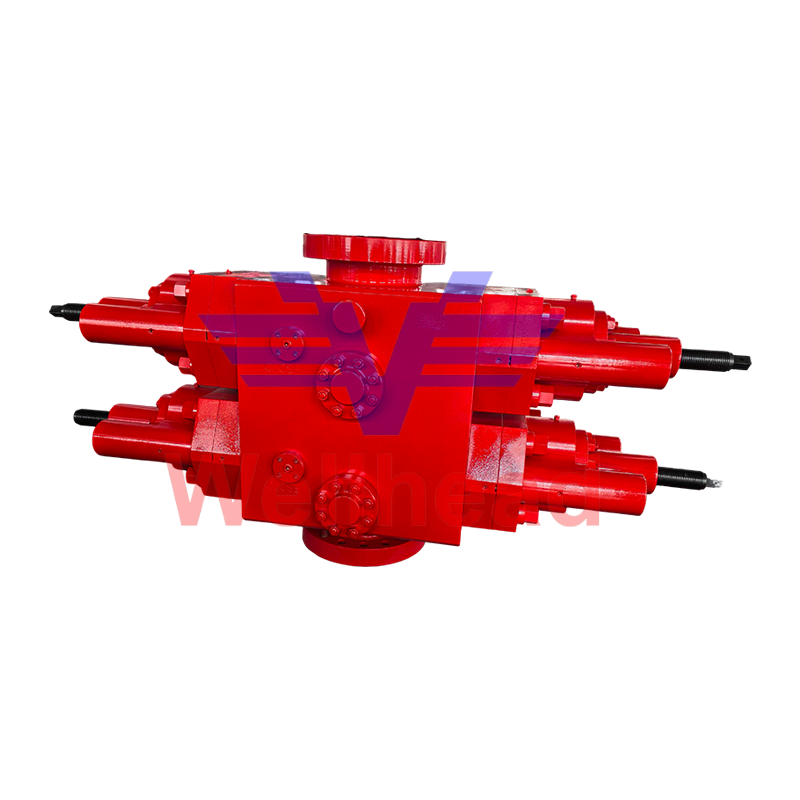
A Single Ram BOP is a type of blowout preventer that incorporates one ram assembly, typically consisting of two opposing ram blocks that close to seal the wellbore. These rams can be designed as pipe rams (to seal around specific pipe sizes) or blind rams (to seal an open hole). The primary function of a Single Ram BOP is to provide a reliable barrier against well pressure during drilling, completion, or intervention operations. In contrast, a Double Ram BOP includes two independent ram assemblies, allowing for additional functionality, such as sealing different pipe sizes or providing redundant sealing capabilities.
Types of Single Ram BOP
Single Ram BOPs are categorized based on their ram configurations and operational specifications. Common types include:
-
Standard Single Ram BOP: Features a single set of rams, which may be adjustable for various pipe diameters.
-
Variable-Bore Ram (VBR) BOP: A subtype that can seal around a range of pipe sizes using a single ram assembly.
These types are engineered for specific pressure ratings and environmental conditions, such as onshore or offshore applications.
Applications of Single Ram BOP
The Single Ram BOP is commonly deployed in scenarios where space, cost, or operational simplicity are prioritized. Typical applications include:
-
Land-based drilling operations: Where well complexity is lower, and a compact BOP stack is advantageous.
-
Workover and completion activities: For temporary well control during maintenance.
-
Secondary BOP stacks: In combination with other BOPs to provide supplementary sealing functions.
Its use is often determined by risk assessments and regulatory requirements, which may dictate the need for multiple barriers in high-pressure environments.
Comparison: Single Ram BOP vs. Double Ram BOP
This section outlines the key advantages and limitations of the Single Ram BOP relative to the Double Ram BOP, based on technical specifications and industry practices.
Advantages of Single Ram BOP:
-
Cost-Effectiveness: The Single Ram BOP generally has a lower initial purchase cost and reduced maintenance expenses due to its simpler design with fewer components.
-
Compact Design: With only one ram assembly, the Single Ram BOP occupies less space in the BOP stack, making it suitable for constrained environments like modular rigs.
-
Ease of Maintenance: Fewer moving parts and a straightforward configuration allow for quicker inspections and repairs, potentially reducing downtime.
-
Weight Reduction: The lighter weight of a Single Ram BOP can facilitate transportation and installation, particularly in remote locations.
Limitations of Single Ram BOP:
-
Reduced Redundancy: Unlike the Double Ram BOP, which offers a backup ram assembly, the Single Ram BOP provides only one sealing barrier, increasing vulnerability to single-point failures.
-
Limited Functionality: It may lack the ability to handle multiple pipe sizes or well conditions simultaneously, whereas a Double Ram BOP can incorporate different ram types (e.g., pipe and shear rams) for enhanced versatility.
-
Lower Pressure Management Capability: In high-pressure or complex wells, the Single Ram BOP might be less effective at maintaining seal integrity under varying loads, compared to the dual-ram support in Double Ram BOPs.
-
Regulatory Constraints: Some jurisdictions require multiple BOP barriers for high-risk operations, which could limit the standalone use of a Single Ram BOP.
Frequently Asked Questions (FAQ)
Q1: What is the primary purpose of a Single Ram BOP?
A1: The Single Ram BOP is designed to seal the wellbore by closing its ram blocks around drill pipe or in an open hole, thereby controlling well pressure and preventing blowouts.
Q2: When is a Single Ram BOP typically chosen over a Double Ram BOP?
A2: A Single Ram BOP is often selected for lower-risk applications, budget-conscious projects, or where space limitations exist. Decision factors include well pressure, operational complexity, and safety regulations.
Q3: Can a Single Ram BOP be used in offshore drilling?
A3: Yes, but it is usually part of a larger BOP stack that includes additional components, such as annular preventers, to meet stringent offshore safety standards.
Q4: How does the maintenance of a Single Ram BOP compare to a Double Ram BOP?
A4: Maintenance for a Single Ram BOP is generally simpler and faster due to fewer components, but it may require more frequent checks if used in demanding conditions, whereas a Double Ram BOP has more parts but can offer longer service intervals with proper care.
Q5: Are there any specific standards governing the use of Single Ram BOP?
A5: Yes, organizations like API (American Petroleum Institute) set standards for BOP design and testing, such as API 16A, which apply to both Single Ram BOP and Double Ram BOP to ensure reliability and safety.
The Single Ram BOP offers distinct benefits in terms of cost, size, and maintenance simplicity, making it a practical choice for certain drilling environments. However, its limitations in redundancy and functionality highlight the importance of evaluating well-specific risks and regulatory requirements. By understanding these factors, industry professionals can make informed decisions on BOP selection, ensuring safe and efficient operations. This analysis underscores the need for objective assessment based on technical data and operational contexts.
 + 86-0515-88429333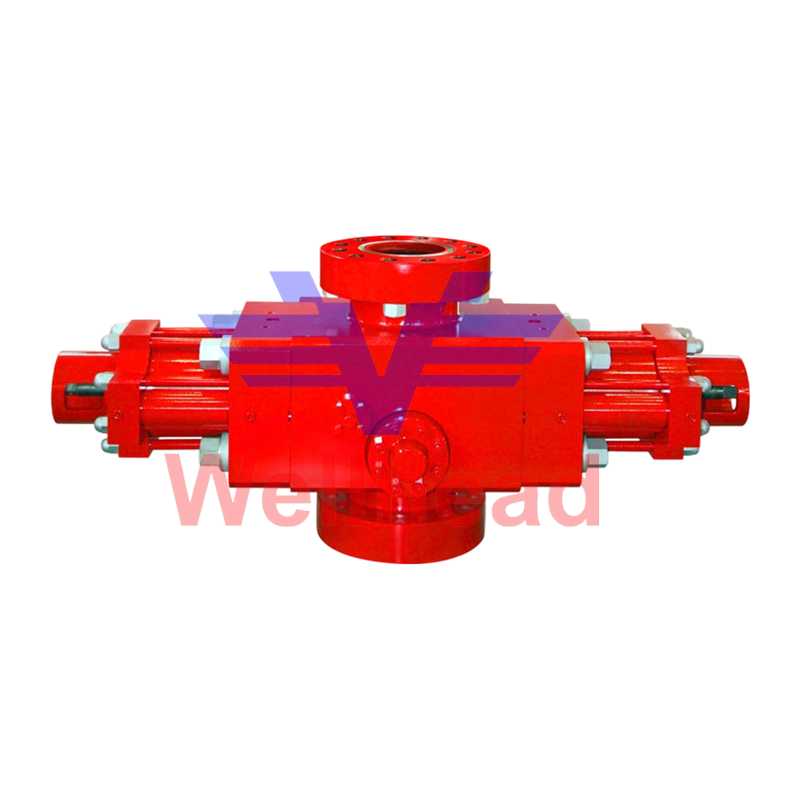

 CONTACT US
