

 English
 русский
As drilling operations push into deeper, more complex, and higher-pressure formations, well control equipment has become more critical than ever. Among the most essential safety devices on any drilling rig is the Single Ram BOP. While larger blowout preventer stacks often receive most of the attention, single ram units remain widely used across workover rigs, land rigs, and specialized pressure-control applications.
Selecting the right Single Ram BOP is not merely a purchasing decision—it is a strategic choice that directly impacts operational safety, regulatory compliance, and long-term cost efficiency. From pressure ratings and ram types to sealing performance and maintenance requirements, multiple technical and operational factors must be evaluated before making a final selection.
Content
- Understanding the Role of a Single Ram BOP in Well Control
- Key Factors to Consider When Choosing a Single Ram BOP
- 1. Pressure Rating and Working Conditions
- 2. Ram Type and Sealing Configuration
- 3. Hydraulic Control Compatibility
- 4. Material Selection and Corrosion Resistance
- 5. Temperature Rating and Thermal Stability
- 6. Regulatory and Certification Compliance
- 7. Installation Space and Weight Considerations
- 8. Maintenance Requirements and Lifecycle Costs
- Operational Applications of a Single Ram BOP
- Common Mistakes When Selecting a Single Ram BOP
- Future Trends in Single Ram BOP Technology
- Frequently Asked Questions (FAQ)
- Strategic Value of Choosing the Right Single Ram BOP
Understanding the Role of a Single Ram BOP in Well Control
A Single Ram BOP is a type of blowout preventer designed to seal, shear, or close around drill pipe, tubing, or the open bore during drilling and servicing operations. Unlike multi-ram or annular preventers, the single ram configuration focuses on one primary function within a compact and efficient body.
Primary Functions of a Single Ram BOP
- Sealing the wellbore around tubulars
- Shearing pipe in emergency shut-in operations
- Isolating formation pressure
- Supporting controlled well intervention work
Because of its compact size and targeted function, a Single Ram BOP is frequently used on mobile rigs, workover equipment, and testing units where space and weight are limited but safety remains paramount.
Key Factors to Consider When Choosing a Single Ram BOP
1. Pressure Rating and Working Conditions
One of the most crucial parameters when selecting a Single Ram BOP is its pressure rating. Typical working pressures include 2,000 psi, 3,000 psi, 5,000 psi, and up to 10,000 psi for high-pressure applications.
Operating conditions that influence pressure selection include:
- Expected formation pressure
- Well depth and fluid density
- Kick tolerance requirements
- Testing and completion pressures
Choosing a unit with inadequate pressure capacity exposes operations to catastrophic well control failures, while excessive overrating may increase costs unnecessarily.
2. Ram Type and Sealing Configuration
The function of a Single Ram BOP is defined largely by the ram type installed. Common options include:
- Pipe Rams: Designed to seal around a specific pipe diameter
- Variable Bore Rams: Accommodate multiple pipe sizes
- Blind Rams: Seal the open bore with no pipe present
- Shear Rams: Cut through pipe and seal the well
Each ram type serves a different purpose. Selecting the correct configuration depends on the nature of the rig’s operations, expected tubular sizes, and emergency response strategies.
3. Hydraulic Control Compatibility
Modern Single Ram BOP units are typically hydraulically actuated. Compatibility with existing control systems is a critical consideration. Factors to review include:
- Operating pressure of the hydraulic system
- Control panel interface type
- Response time requirements
- Redundancy and backup control capabilities
Fast and reliable hydraulic response ensures that the preventer can close instantly during a kick or equipment failure.
4. Material Selection and Corrosion Resistance
Well environments often expose equipment to corrosive fluids such as H₂S, CO₂, or brine. A Single Ram BOP constructed from alloy steel or corrosion-resistant materials can significantly extend service life.
Buyers should evaluate:
- NACE MR0175 compliance for sour service
- Surface coatings and internal corrosion protection
- Seal elastomer resistance to chemicals and temperature
5. Temperature Rating and Thermal Stability
Extreme temperatures—both high and low—can impact the performance of a Single Ram BOP. Elastomers, hydraulic seals, and ram packers must maintain integrity under thermal stress.
Applications such as high-temperature geothermal drilling or Arctic operations require units certified for extreme conditions.
6. Regulatory and Certification Compliance
Regulatory compliance remains non-negotiable in modern drilling operations. A reliable Single Ram BOP must meet or exceed international standards such as:
- API 16A
- ISO 13533
- CE Certification
- Third-party inspection and pressure testing
Certification ensures that the equipment has passed design verification, material traceability, and destructive/non-destructive testing protocols.
7. Installation Space and Weight Considerations
On compact rigs and mobile well-service equipment, space and load limits often dictate equipment selection. A Single Ram BOP offers a lighter, more compact alternative to multi-ram stacks.
Critical mechanical dimensions include:
- Overall height
- Flange type and size
- Centerline-to-base distance
- Total operational weight
8. Maintenance Requirements and Lifecycle Costs
Initial purchase price represents only part of the total ownership cost. Maintenance frequency, spare part availability, and ease of servicing all impact the long-term value of a Single Ram BOP.
Important lifecycle considerations include:
- Ram change-out time
- Seal replacement intervals
- Availability of service technicians
- Inventory of critical spare parts
Well-maintained preventers reduce downtime, enhance safety performance, and support regulatory inspections.
Operational Applications of a Single Ram BOP
Workover and Well Servicing Operations
Workover units frequently use a Single Ram BOP for quick deployment and focused pressure control during tubing retrieval, completion repair, and recompletion activities.
Exploration and Shallow Drilling
In exploration environments where rapid rig-up is required, lightweight single ram systems help balance safety and efficiency.
Pressure Testing and Completion Equipment
Completion stacks use Single Ram BOP units as isolation barriers during pressure testing and final well handover processes.
Common Mistakes When Selecting a Single Ram BOP
- Oversimplifying pressure and temperature requirements
- Ignoring compatibility with existing control systems
- Underestimating corrosion exposure
- Choosing based solely on initial cost
- Neglecting certification verification
Each of these errors can introduce significant operational risk and regulatory exposure.
Future Trends in Single Ram BOP Technology
Digital Monitoring and Smart Sensors
Next-generation Single Ram BOP systems integrate pressure sensors, valve position indicators, and real-time diagnostic tools for remote monitoring.
Advanced Elastomers and Sealing Materials
High-performance polymers now offer improved chemical resistance, thermal stability, and reduced compression set.
Lightweight High-Strength Alloys
Modern manufacturing allows the development of lighter BOP bodies without sacrificing structural integrity.
Frequently Asked Questions (FAQ)
What is the main advantage of a Single Ram BOP?
The primary advantage of a Single Ram BOP is its compact size and targeted safety function, making it ideal for workover rigs and space-restricted platforms.
How often should a Single Ram BOP be tested?
Testing intervals vary by regulation, but most standards require pressure testing before deployment and at scheduled operational intervals.
Can one Single Ram BOP handle multiple pipe sizes?
Yes, when equipped with variable bore rams, one unit can seal on multiple pipe diameters.
Is a Single Ram BOP suitable for high-pressure drilling?
High-pressure models rated up to 10,000 psi or more are available for demanding environments.
What certifications should a Single Ram BOP have?
API 16A, ISO standards, and third-party inspection reports are widely required for drilling operations worldwide.
Strategic Value of Choosing the Right Single Ram BOP
A properly selected Single Ram BOP strengthens well control reliability, protects crew safety, reduces environmental risk, and supports uninterrupted drilling progress. As operational demands increase and safety regulations tighten, careful evaluation of performance specifications, material quality, and lifecycle support has become an essential part of rig equipment planning.
From shallow land wells to complex high-pressure interventions, the right Single Ram BOP remains one of the most critical safety investments any drilling operation can make.
 + 86-0515-88429333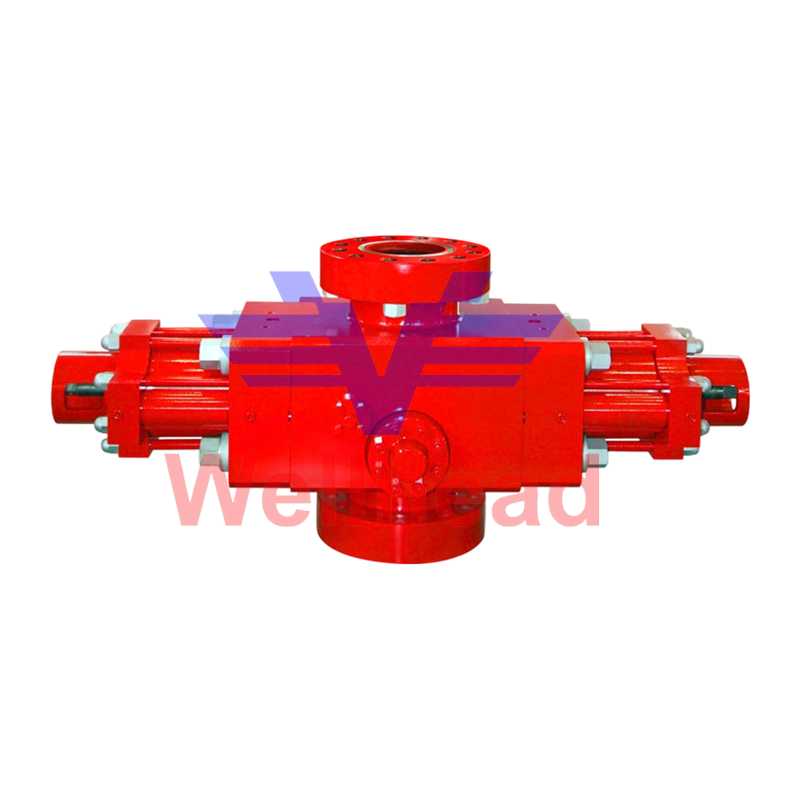

 CONTACT US
