

 English
 русский
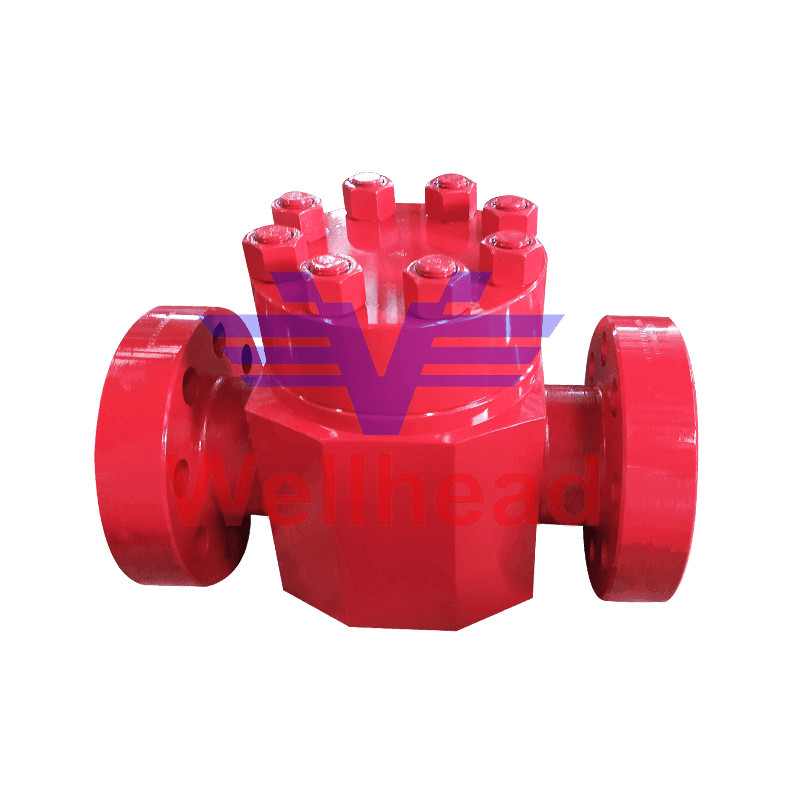
API 6A Check Valves are critical components in oil and gas production systems, ensuring unidirectional flow and preventing backflow in high-pressure environments. The materials selected for these valves determine their durability, corrosion resistance, and ability to withstand extreme pressures and temperatures. Choosing the correct material is essential for long-term operational safety and efficiency.
Content
- Primary Materials Used in API 6A Check Valves
- Comparison of Materials for Valve Components
- Why Material Selection Matters for API 6A Check Valves
- Applications of API 6A Check Valves
- Maintenance and Inspection Considerations
- Material Innovations in API 6A Check Valves
- Frequently Asked Questions (FAQ)
- Conclusion
Primary Materials Used in API 6A Check Valves
The construction of API 6A Check Valves typically involves a combination of metals, alloys, and sometimes polymer-based seals. The main materials are:
1. Carbon Steel
Carbon steel is widely used for valve bodies and covers due to its high strength and affordability. It provides adequate performance in moderate pressure environments and is compatible with various sealing materials. Common grades include A105 and ASTM A216 WCB.
2. Stainless Steel
Stainless steel, such as 304, 316, or 410, is preferred for high-corrosion environments, particularly when handling sour gas or seawater. It offers excellent resistance to rust, pitting, and stress corrosion cracking, ensuring a longer service life for the API 6A Check Valves.
3. Alloy Steels
High-strength alloy steels, such as Chrome-Molybdenum steels (e.g., ASTM A182 F22, F91), are used for valves operating under extreme pressures and temperatures. These alloys improve hardness, yield strength, and resistance to wear, making them ideal for deep-well and high-pressure applications.
4. Non-Metallic Materials
Seals and seats within API 6A Check Valves often use non-metallic materials such as PTFE (Teflon), PEEK, or rubber composites. These materials provide tight sealing, reduce leakage, and improve chemical resistance while maintaining elasticity under varying temperatures.
Comparison of Materials for Valve Components
| Component | Material | Advantages | Limitations |
|---|---|---|---|
| Valve Body | Carbon Steel | High strength, cost-effective, good machinability | Moderate corrosion resistance, not suitable for sour environments |
| Valve Body | Stainless Steel | Excellent corrosion resistance, long service life, suitable for harsh environments | Higher cost, less wear-resistant than alloy steel under extreme pressure |
| Valve Body | Alloy Steel (Chrome-Moly) | High pressure and temperature resistance, wear-resistant, durable | Costly, requires careful heat treatment, prone to corrosion without coating |
| Seals & Seats | PTFE / PEEK / Rubber | Excellent sealing, chemical resistance, elasticity, low friction | Limited temperature range (PTFE), susceptible to abrasion over time |
| Internal Components (Spring / Disk) | Stainless Steel / Alloy Steel | Corrosion resistance, high fatigue strength, durability | Cost, potential galling if not properly treated |
Why Material Selection Matters for API 6A Check Valves
Material choice directly impacts performance, safety, and maintenance requirements. Key considerations include:
- Corrosion Resistance: Prevents leakage and valve failure in aggressive fluids.
- Pressure and Temperature Ratings: Ensures structural integrity under extreme conditions.
- Wear Resistance: Extends operational life in systems with particulate-laden fluids.
- Cost-effectiveness: Balances initial investment and long-term maintenance.
- Compatibility with Fluids: Ensures chemical stability with hydrocarbons, sour gas, or water injection systems.
Applications of API 6A Check Valves
API 6A Check Valves are widely used in oil and gas production, including:
- Wellhead control systems
- Subsea pipelines
- High-pressure gas and oil pipelines
- Water injection and chemical injection systems
- Offshore platforms and refineries
Maintenance and Inspection Considerations
Regular inspection of API 6A Check Valves helps prevent catastrophic failures. Material selection impacts maintenance frequency:
- Stainless steel components require less frequent cleaning in corrosive environments.
- Carbon steel valves may need protective coatings or more frequent inspections.
- PTFE or rubber seals must be checked for wear or deformation, especially in high-temperature applications.
- Alloy steel valves may require surface treatment or lubrication to prevent galling.
Material Innovations in API 6A Check Valves
Recent innovations include:
- High-nickel alloys for extreme sour service applications
- Composite seats combining metal and polymer layers for enhanced sealing
- Advanced coatings such as hard chrome or nickel plating for wear resistance
- PEEK reinforced seals for high-temperature applications up to 260°C
Frequently Asked Questions (FAQ)
Q1: Can API 6A Check Valves be used with sour gas?
Yes. Valves made from stainless steel or high-nickel alloys with suitable coatings can resist sour gas corrosion. Proper material selection is critical to prevent hydrogen-induced cracking.
Q2: Which materials are best for offshore applications?
Stainless steel (316 or duplex) and high-alloy steels with corrosion-resistant coatings are preferred due to the harsh marine environment and high chloride content.
Q3: How often should valve seals be replaced?
Seal replacement frequency depends on operating conditions, fluid composition, and temperature. PTFE seals typically last 3-5 years, while PEEK or reinforced seals can last longer in high-temperature environments.
Q4: Are alloy steel valves more expensive than carbon steel?
Yes. Alloy steel and stainless steel valves have higher material costs, but their durability and resistance to corrosion often reduce long-term maintenance and replacement costs.
Q5: Can polymer seals handle high-pressure systems?
Yes, specially engineered polymers like reinforced PEEK or PTFE-metal composites are designed to withstand pressures in high-pressure oil and gas systems, maintaining seal integrity.
Conclusion
Selecting the right materials for API 6A Check Valves is essential for achieving optimal performance, reliability, and longevity. Understanding the properties of carbon steel, stainless steel, alloy steel, and non-metallic sealing materials ensures valves can handle corrosive fluids, extreme pressures, and high-temperature environments while minimizing maintenance and operational risks. A careful balance of performance, cost, and durability determines the success of valve deployment in oil and gas applications worldwide.
 + 86-0515-88429333

 CONTACT US
