

 English
 русский
Content
Understanding the Importance of API 6A Check Valves in Industrial Applications
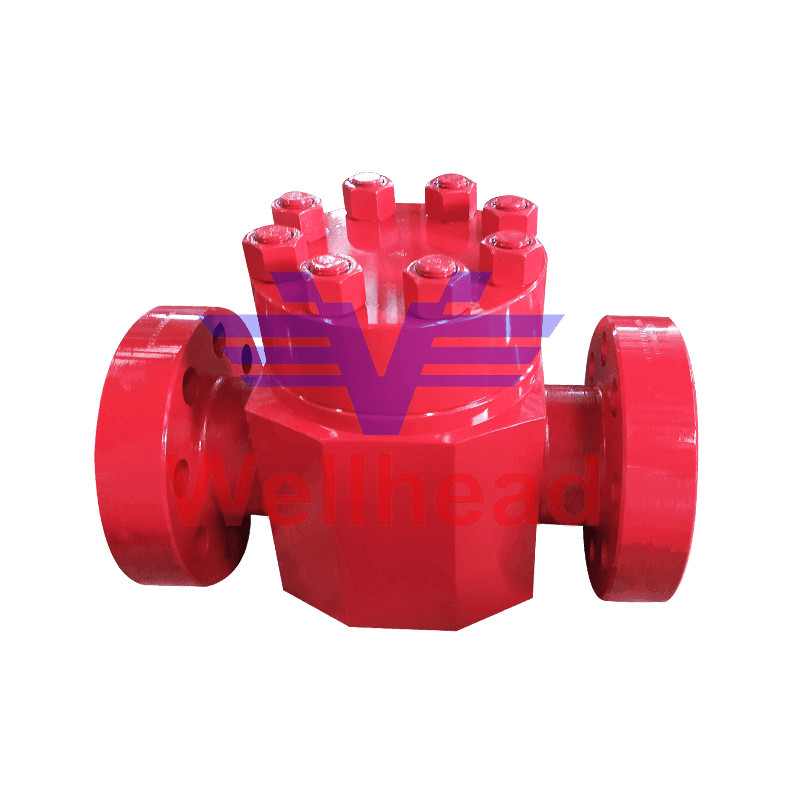
The API 6A Check Valve is an essential component in a wide variety of industrial applications, particularly in the oil and gas industry. It is designed to allow fluid to flow in one direction only, preventing backflow and ensuring system integrity. These valves are crucial in protecting equipment, maintaining pressure, and preventing hazardous conditions in pipelines. API 6A refers to the American Petroleum Institute (API) standard that governs the design, manufacturing, and testing of valves used in the oil and gas sector.
What Is an API 6A Check Valve?
An API 6A Check Valve is a mechanical device used to control the flow of fluids through pipelines. This valve works automatically, allowing flow in only one direction. It is commonly employed in critical systems where fluid backflow could cause damage or contamination. The API 6A standard specifies the design and operational requirements of valves used in wellheads, Christmas trees, and other oilfield equipment. These valves are primarily used to protect against reverse flow, ensuring that the pipeline remains pressurized and that harmful substances are not allowed to backtrack into the system.
Key Features of API 6A Check Valves
- Durable Construction: API 6A Check Valves are made from high-quality materials, such as carbon steel or alloy, to withstand the harsh conditions in the oil and gas industry.
- Automatic Operation: These valves operate automatically without the need for external control, making them a reliable solution for critical operations.
- Backflow Prevention: The primary function of an API 6A Check Valve is to prevent backflow, thereby protecting the pipeline and preventing costly damage to equipment.
- Compliance with Industry Standards: API 6A Check Valves are manufactured in accordance with the API 6A standards, ensuring high performance and safety in demanding environments.
Applications of API 6A Check Valves
API 6A Check Valves are widely used across several industries, most notably in the oil and gas sector. Their applications include:
- Oil Wells: These valves are installed in wellheads to control the flow of oil and gas, preventing backflow that could compromise safety or operational efficiency.
- Production Facilities: In refineries and processing plants, API 6A Check Valves ensure the correct direction of flow in pipelines, preventing contaminants from entering the system.
- Water and Gas Pipelines: Used in various pipeline systems, these check valves help prevent backflow, ensuring the integrity of the fluid being transported.
- Subsea Equipment: In offshore oil and gas exploration, API 6A Check Valves are critical for maintaining pressure and safety in subsea pipeline systems.
Advantages of API 6A Check Valves
When comparing API 6A Check Valves with other valve types, several advantages stand out:
| Feature | API 6A Check Valve | Other Valve Types |
|---|---|---|
| Backflow Prevention | Prevents reverse flow, offering significant protection for the entire system. | May not have automatic backflow prevention, requiring manual intervention. |
| Material Durability | Built with materials that can withstand extreme temperatures and pressures. | Some valve types may not be suitable for high-pressure environments. |
| Compliance | Manufactured according to API 6A standards, ensuring reliability and safety. | Not all valve types meet the same stringent standards as API 6A valves. |
Frequently Asked Questions (FAQs) About API 6A Check Valves
1. What is the primary function of an API 6A Check Valve?
The main function of an API 6A Check Valve is to prevent backflow within pipelines, ensuring the safety and integrity of the system. This is critical in industries such as oil and gas, where any backflow could lead to hazardous conditions or equipment damage.
2. How does an API 6A Check Valve operate?
An API 6A Check Valve operates automatically, allowing flow in only one direction. When the fluid tries to flow in the opposite direction, the valve closes to block it. This ensures that the system remains pressurized and that no harmful substances can flow backward.
3. Can an API 6A Check Valve be used in other industries outside of oil and gas?
Yes, while API 6A Check Valves are primarily used in the oil and gas industry, they are also applicable in any industry requiring backflow prevention, including water treatment plants and industrial processing systems.
4. What materials are commonly used in API 6A Check Valves?
API 6A Check Valves are typically made from high-strength materials such as carbon steel, stainless steel, and alloy steels, ensuring they can withstand extreme pressures and corrosive environments.
5. How often should API 6A Check Valves be maintained?
API 6A Check Valves should be regularly inspected for wear, corrosion, and proper operation. Maintenance schedules can vary depending on the system's operating conditions, but it is important to follow the manufacturer's recommendations to ensure optimal performance.
Conclusion
API 6A Check Valves play a crucial role in maintaining the safety and efficiency of fluid transportation systems. Whether in oil wells, subsea pipelines, or other industrial applications, these valves provide reliable backflow prevention, protecting both equipment and personnel. Their robust construction, compliance with industry standards, and automatic operation make them a preferred choice in demanding environments. Understanding the features, applications, and advantages of API 6A Check Valves is essential for anyone involved in pipeline management or industrial operations.
 + 86-0515-88429333

 CONTACT US
