

 English
 русский
When you are sourcing wellhead and tree equipment, API 6A certification is a practical quality signal that can prevent costly failures downhole. In short, API 6A is an American Petroleum Institute specification covering the design, materials, manufacturing, and testing of wellhead and Christmas tree equipment. A manufacturer holding API 6A monogram licensing has passed an API audit, operates a documented API Q1 quality management system, and produces equipment that meets the product specification. For buyers, this translates into a defensible reason to trust the supplier before the equipment ever reaches the wellsite.
Content
- What Does API 6A Certification Cover?
- Why API 6A Certification Matters for Equipment Buyers
- How Manufacturers Earn API 6A Monogram Licensing
- How to Verify API 6A Certification Before You Purchase
- API 6A Certified vs Non-Certified Equipment: What You Risk
- API 6A Certification in Practice: Wellhead Equipment
- Frequently Asked Questions
What Does API 6A Certification Cover?
API 6A certification applies to the wellhead and production equipment that sits at the top of an oil or gas well. It does not cover every piece of drilling or production equipment: blowout preventers are governed by a separate API 16A standard.
The core categories covered under API 6A include:
- Wellhead and Christmas tree assemblies
- Casing heads, tubing heads, and hanger adapters
- Gate valves, choke valves, and check valves
- Flanges, studded crosses, and high-pressure fittings
- Flowhead assemblies and related flowline components
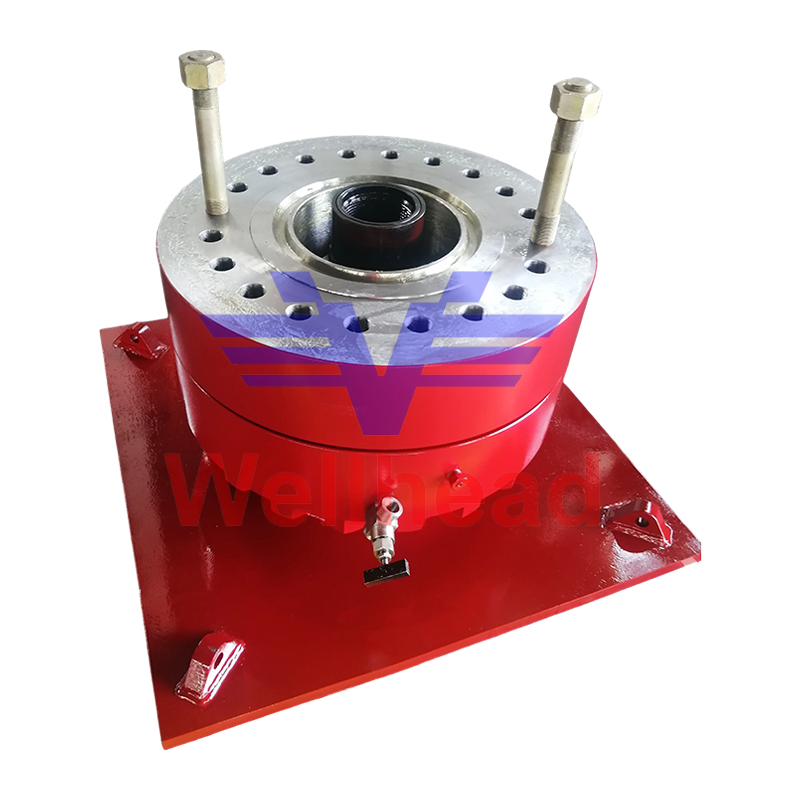
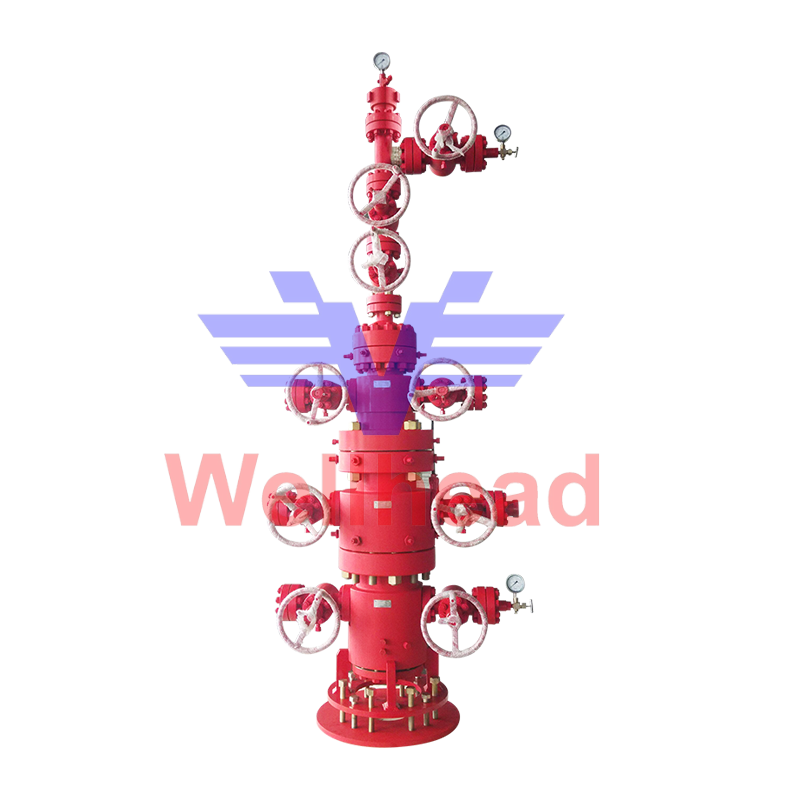 Wellhead and X-mas Tree Assembly for Oil and Gas ProductionThis certified API 6A assembly integrates the wellhead and Christmas tree, providing reliable flow control, monitoring, and safety in demanding downhole conditions. It is a core component for connecting wells to production pipelines and managing fluid distribution.View Product →
The table below summarizes the typical coverage and the areas API auditors review during certification.
| Equipment Category | API 6A Coverage | Key Evaluation Areas |
|---|---|---|
| Wellhead and X-mas Tree | Yes | Pressure rating, material, function test |
| Casing and Tubing Heads | Yes | Load capacity, pressure containment |
| Gate Valves | Yes | Sealing, hydrostatic test, metal-to-metal seals |
| Choke Valves | Yes | Flow control, wear resistance, stem sealing |
| Check Valves | Yes | Backflow prevention, disc sealing, pressure cycles |
| Blowout Preventers | No | API 16A requirements apply |
Why API 6A Certification Matters for Equipment Buyers
Certification matters because it gives you a defensible way to compare suppliers and avoid equipment designed, built, or tested with undocumented shortcuts.
Lower Risk of Field Failures
Certified equipment has been evaluated against the pressure and material requirements defined in the standard. That reduces the chance of a failure that could cause downtime, environmental damage, or safety exposure.
Simpler Acceptance Testing
When you specify API 6A equipment, the acceptance criteria are already defined. You can compare test records against the requested pressure class and confidently approve the equipment for service.
Clear Regulatory and Insurance Standing
Many operators and regulators reference API standards in their purchasing requirements. Using certified components makes it easier to demonstrate compliance and often smooths the approval process for drilling and workover programs.
Evidence of a Working Quality System
The license is not issued on paper alone. A certified supplier must maintain an API Q1 quality system, which means documented procedures, controlled material traceability, and regular audits. That system helps you trust production consistency, not just a single shipment.
How Manufacturers Earn API 6A Monogram Licensing
Getting licensed takes preparation, testing, and an audit—and it does not end when the license is issued.
- Implement an API Q1 quality management system covering design, procurement, manufacturing, inspection, and corrective action.
- Prepare design packages that document pressure ratings, material selection, calculations, and product drawings.
- Complete product qualification testing, including hydrostatic pressure tests and function tests required by the standard.
- Pass an on-site API audit that verifies both the quality system and the product scope.
- Maintain the license through annual audits and ongoing compliance with the relevant edition of API 6A.
The entire process often takes several months, depending on how ready the manufacturer already is. The audit is not a one-time event; the monogram license is a living commitment to quality.
How to Verify API 6A Certification Before You Purchase
You can verify most certification claims in minutes using the API online directory.
- Search the manufacturer's name in the API Monogram directory to confirm the license is active.
- Record the license number printed on the monogram and compare it against the directory entry.
- Confirm that the specific product family you are buying is included in the licensed scope.
- Request the design data sheet, material test reports, hydrostatic test records, and certificate of conformance for the actual equipment.
- Check which edition of API 6A the equipment was manufactured to, because revisions can affect requirements.
If a supplier cannot provide these supporting documents, treat that as a significant red flag—even if they display an API monogram on their website.
API 6A Certified vs Non-Certified Equipment: What You Risk
The gap between certified and uncertified equipment is a difference in verification, not just paperwork.
| Aspect | API 6A Certified | Non-Certified |
|---|---|---|
| Design Compliance | Verified by design package | Unknown |
| Materials | Traceable MTRs and tested | Substituted or undocumented |
| Hydrostatic Testing | Documented per API | No standardized proof |
| Quality System | Audited API Q1 | Variable |
| Traceability | Full | Partial or none |
| Long-Term Performance | Tested for expected service | Field failures possible |
Buying non-certified equipment can save money on paper. In a producing well, the cost of a valve failure can far exceed the savings—especially when you account for lost production, rig time, and repair work.
API 6A Certification in Practice: Wellhead Equipment
For producing wells, certified wellhead components are the baseline specification for many operators and drilling contractors.
A certified wellhead and Christmas tree assembly gives you a system engineered for wall pressure ratings, casing configurations, and eventual flow control needs. The monogram tells you the manufacturer has controlled the design and material selection, which translates into more predictable behavior across the life of the well.
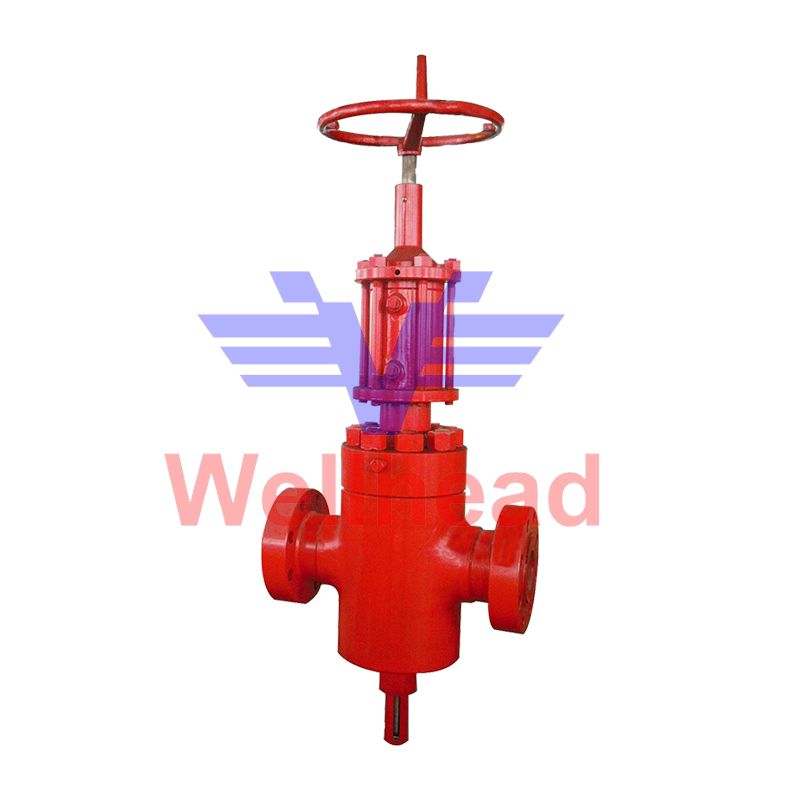 API 6A FC Flat Gate Valve for High-Pressure ServiceThis flat gate valve complies with API 6A and is designed for high-pressure, high-temperature oil and gas applications. Its compact structure and advanced sealing ensure leak-tight performance, making it a primary isolation choice for wellhead systems.View Product →
Gate valves are among the most frequently specified API 6A components because they provide the primary isolation function on the wellhead. When you evaluate a candidate supplier, understanding the reasons to choose API 6A gate valves for oil and gas applications helps you ask the right questions during qualification.
Check valves are another core part of the API 6A scope. A certified lift check valve delivers documented backflow prevention and is often relied upon where reverse flow must be stopped without external control.
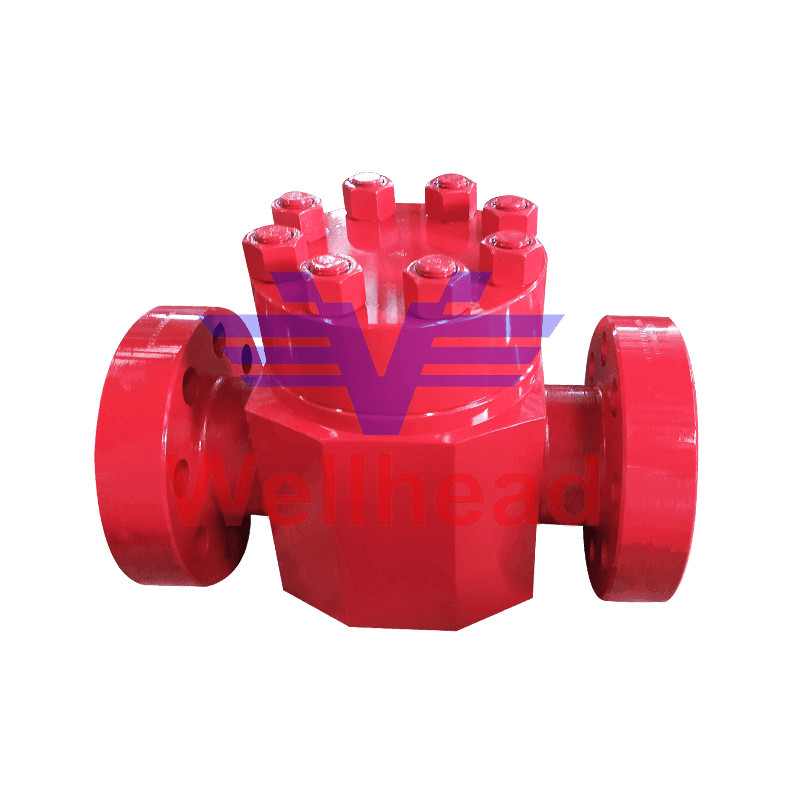 API 6A Lift Check Valve for Backflow PreventionThis lift check valve, built to API 6A standards, offers reliable backflow prevention in oil and gas pipelines. Its lifting mechanism ensures quick, smooth operation and zero leakage when closed, suitable for critical production environments.View Product →
Frequently Asked Questions
Is API 6A certification mandatory?
No, it is not mandatory by law, but many operators and regulators require it in purchasing specifications. In practice, it is often a de facto requirement for wellhead equipment used in high-pressure or critical production environments.
Does API 6A certification cover all wellhead equipment?
No. API 6A covers wellhead and tree equipment. Blowout preventers are covered under API 16A, and other equipment categories may fall under separate specifications. Always confirm the applicable standard for the specific product family.
How long does it take to get API 6A certified?
The process usually takes several months because it includes quality system implementation, design documentation, product qualification testing, and an on-site audit. The timeline also depends on how much preparation the manufacturer has done before applying.
What documents should I request when buying API 6A equipment?
Ask for the monogram license number, product data sheets, material test reports, hydrostatic test records, and a certificate of conformance. These documents let you verify that the equipment shipped matches what was certified.
 + 86-0515-88429333


 CONTACT US
