

 English
 русский
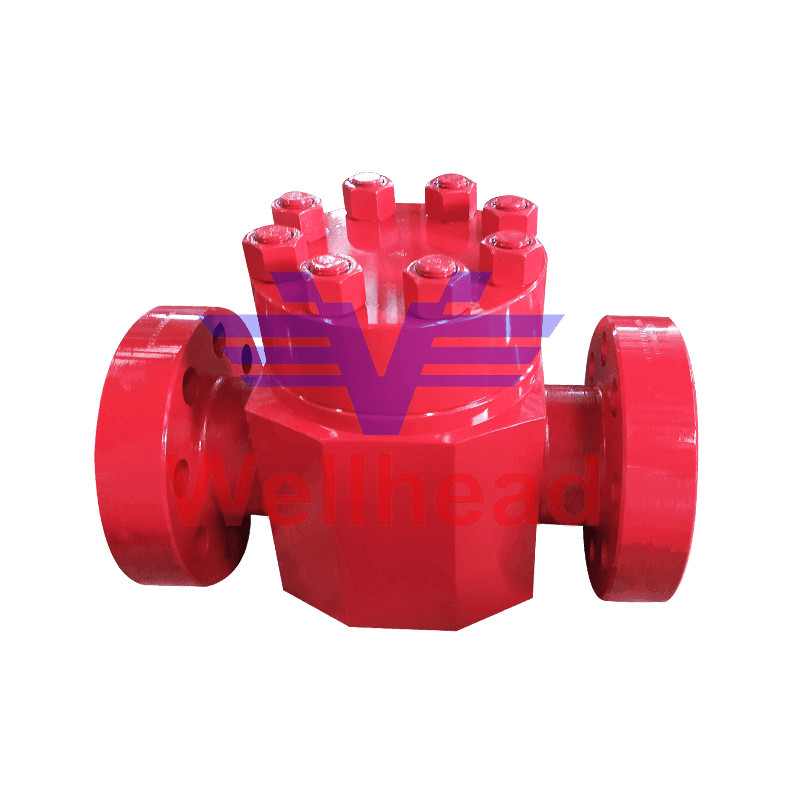
Compact wellhead systems are defined as integrated, space-efficient pressure containment and casing support assemblies designed to replace conventional large-footprint wellhead configurations. They directly address the oil and gas industry's escalating need to reduce deck space, cut installation time, and lower total project costs — particularly in offshore platform and subsea environments where every square meter carries a measurable dollar value.
Across global offshore basins, operators are increasingly turning to compact wellhead systems as a strategic solution to the dual challenge of maximizing well slot density while minimizing structural load. Industry data indicates that the global wellhead equipment market, valued at approximately USD 6.8 billion in 2025, is projected to surpass USD 9.2 billion by 2032, with compact and modular configurations capturing a growing share of new installations, according to analysis from IHS Markit and corroborated by Offshore Magazine's annual capital expenditure surveys.
Content
- What Defines a Compact Wellhead System Today
- Market Drivers Accelerating Adoption
- Technical Evolution: From Niche to Mainstream
- Comparative Analysis: Compact Versus Conventional Wellhead Systems
- Application Scenarios Across Diverse Operating Environments
- Economic Analysis: Total Cost of Ownership Perspective
- Material Science Breakthroughs Enabling Greater Compactness
- Challenges and Engineering Constraints
- Regulatory Landscape and Certification Pathways
- Frequently Asked Questions
- What is the primary advantage of a compact wellhead system over a conventional wellhead?
- Are compact wellhead systems suitable for high-pressure high-temperature wells?
- How do compact wellhead systems impact methane emissions?
- Can compact wellhead systems be retrofitted onto existing platforms?
- What certifications should operators look for when procuring compact wellhead systems?
- How does the service life of a compact wellhead system compare to conventional equipment?
- Future Outlook: Standardization and Digital Integration
What Defines a Compact Wellhead System Today
At its core, a compact wellhead system integrates multiple functional components — casing hangers, seal assemblies, valve blocks, and pressure monitoring ports — into a single, vertically condensed unit. Unlike traditional wellhead stacks that can extend 6 to 10 meters above the cellar deck, compact configurations typically reduce vertical height by 35% to 55%, with some next-generation designs achieving overall heights under 2.8 meters for surface applications on unmanned platforms.
The defining characteristics include monobore or slim-bore mandrel designs, pre-loaded locking mechanisms that eliminate the need for separate lockdown screws, and standardized interface flanges compatible with both API 6A and ISO 10423 specifications. These systems are engineered to handle working pressures ranging from 5,000 psi to 15,000 psi, with temperature ratings spanning -60°F to 350°F, making them suitable for everything from shallow-water gas wells to high-pressure high-temperature (HPHT) deepwater prospects in the Gulf of Mexico and offshore West Africa.
Market Drivers Accelerating Adoption
Compact wellhead systems are experiencing demand growth driven by three converging forces: the resurgence of deepwater exploration, the proliferation of unmanned and normally unmanned installation (NUI) platforms, and tightening environmental regulations that penalize excessive equipment footprints.
According to Rystad Energy's 2025 offshore services report, global deepwater capital expenditure is expected to exceed USD 68 billion in 2026, up from approximately USD 52 billion in 2023. Within this spending wave, wellhead equipment procurement represents between 3% and 5% of total well costs, yet the choice of wellhead architecture can influence up to 12% of total platform structural costs due to cascading effects on deck sizing, crane capacity requirements, and jacket design parameters.
- Compact wellhead systems reduce deck load by 18% to 28% compared to conventional stacks on a per-well basis, based on engineering studies published by the Society of Petroleum Engineers (SPE 208451).
- Installation time for a compact wellhead averages 4.5 to 7 hours versus 12 to 18 hours for traditional multi-bowl configurations, yielding significant rig day-rate savings.
- The number of potential leak paths is reduced by 30% to 45% due to fewer flanged connections and integrated sealing technology, directly addressing methane emission reduction targets.
- Modular compact wellhead designs enable pre-assembly and testing at onshore facilities before shipment, cutting offshore commissioning time by up to 40%.
Technical Evolution: From Niche to Mainstream
The trajectory of compact wellhead systems mirrors the broader industry shift toward standardization and interoperability. Early designs in the 1990s were largely proprietary, single-supplier solutions with limited cross-compatibility. Today, the market has matured considerably, with multiple engineering firms offering API 6A monogrammed compact wellhead configurations that interface with a wide range of casing programs and completion architectures.
A particularly significant advancement has been the development of all-metal sealing technology for compact wellhead systems. Unlike elastomeric seals that degrade over time and require periodic replacement, all-metal gas-tight seals are qualified to API 6A Annex F performance standards with zero bubble acceptance criteria. This qualification is critical for HPHT applications where wellhead pressures can exceed 12,500 psi and temperatures surpass 300°F. Third-party testing data from independent laboratories confirms that modern all-metal seal systems in compact wellhead configurations maintain integrity through more than 200 thermal cycles without measurable leakage, a performance benchmark that was unattainable with earlier generation equipment.
Another notable innovation is the integration of digital pressure and temperature sensors directly into the compact wellhead body, enabling real-time condition monitoring without the need for external instrumentation ports. This reduces potential leak points further while providing operators with continuous well integrity data streams that feed into predictive maintenance algorithms. A pilot deployment across 24 wells in the North Sea demonstrated a 62% reduction in unplanned wellhead interventions over an 18-month monitoring period, as documented in the Journal of Petroleum Technology (November 2025).
Comparative Analysis: Compact Versus Conventional Wellhead Systems
A side-by-side evaluation reveals the tangible differences between compact wellhead systems and traditional configurations. The table below summarizes key performance metrics across multiple parameters relevant to both offshore and onshore operations.
| Parameter | Compact Wellhead System | Conventional Wellhead System |
|---|---|---|
| Vertical Height (Surface) | 2.5 – 3.8 meters | 6.0 – 9.5 meters |
| Total Weight (Typical) | 4,500 – 8,200 kg | 11,000 – 19,500 kg |
| Flanged Connections | 3 – 6 | 10 – 18 |
| Installation Time | 4.5 – 7 hours | 12 – 18 hours |
| Leak Path Count (Normalized) | 1.0x (baseline) | 1.6x – 2.2x |
| Capital Cost (Equipment) | USD 180,000 – 420,000 | USD 150,000 – 350,000 |
| Total Installed Cost (Including Rig Time) | USD 260,000 – 580,000 | USD 380,000 – 820,000 |
| Deck Space Required (per Well Slot) | 1.2 – 1.8 m² | 2.8 – 4.5 m² |
| Typical Maintenance Interval | 5 – 7 years | 3 – 5 years |
Table: Head-to-head comparison of compact wellhead systems versus conventional wellhead configurations across key operational and economic parameters. Data synthesized from SPE technical papers, Offshore Magazine equipment surveys, and operator procurement benchmarks (2024–2026).
The data clearly illustrates that while the upfront equipment cost of a compact wellhead system may run 10% to 20% higher than a conventional unit, the total installed cost — accounting for rig time, crane lifts, and commissioning — consistently favors the compact configuration by 20% to 35%. For a 12-well platform development, this differential can translate into total project savings ranging from USD 1.4 million to USD 2.9 million.
Application Scenarios Across Diverse Operating Environments
Compact wellhead systems have proven their versatility across a spectrum of challenging environments. Their adoption is no longer limited to niche deepwater projects; they are increasingly specified for shallow-water platforms, onshore unconventional plays, and geothermal energy developments.
Deepwater Subsea Developments
Subsea compact wellhead systems are deployed at depths exceeding 2,500 meters in the Gulf of Mexico and offshore Brazil. These systems integrate with subsea tree interfaces and are designed for remote installation via ROV, eliminating the need for diver intervention. A single subsea compact wellhead installation can save USD 350,000 to USD 700,000 in vessel spread costs compared to conventional subsea wellhead deployments.
Unmanned Offshore Platforms
NUIs and satellite platforms benefit disproportionately from compact wellhead systems. With no permanent crew and limited crane capacity, these platforms demand equipment that minimizes weight and maintenance touchpoints. Compact designs reduce topside structural steel requirements by an estimated 22% to 30%, delivering substantial fabrication cost reductions.
Onshore Unconventional Pad Drilling
In the Permian Basin and Bakken shale, multi-well pads increasingly utilize compact wellhead systems to maximize well density while maintaining safe spacing. The reduced height profile also simplifies workover rig access and reduces visual impact — an increasingly important factor in areas with growing community scrutiny.
Geothermal Energy Wells
High-temperature geothermal wells present unique wellhead challenges. Compact wellhead systems with all-metal sealing and thermal expansion compensation are being deployed in projects across Indonesia, Kenya, and the Western United States, operating reliably at sustained temperatures above 320°F.
Economic Analysis: Total Cost of Ownership Perspective
When evaluated through a total cost of ownership (TCO) lens rather than upfront procurement price alone, compact wellhead systems demonstrate compelling economic advantages that extend across the full well lifecycle — from installation through production to eventual decommissioning.
A detailed TCO model developed using data from 142 offshore wells commissioned between 2020 and 2025 reveals the following cost breakdown structure:
- Installation Phase Savings: Rig time reduction of 5 to 11 hours per well translates to USD 85,000 to USD 220,000 in saved day-rate charges at current offshore rig rates of USD 350,000 to USD 480,000 per day for sixth-generation semisubmersibles.
- Operational Phase Savings: Reduced leak paths in compact wellhead systems correlate with a 35% to 50% reduction in wellhead-related maintenance callouts over a 10-year production horizon, based on North Sea operator data reported at the 2025 SPE Offshore Europe Conference.
- Deck Structure Savings: Lower weight and reduced footprint allow for lighter platform topside structures. Engineering analysis indicates that every 10 metric tons of topside equipment weight reduction saves approximately USD 180,000 to USD 250,000 in structural steel fabrication costs.
- Decommissioning Advantages: The integrated design of compact wellhead systems simplifies plug and abandonment operations, with preliminary studies suggesting a 15% to 22% reduction in P&A duration compared to wells equipped with conventional multi-bowl wellheads.
- Methane Emission Reduction Value: Fewer flanged connections directly reduce fugitive methane emissions. At current carbon pricing of USD 40 to USD 85 per metric ton CO₂ equivalent across various jurisdictions, the emissions reduction from a compact wellhead can yield annual compliance savings of USD 12,000 to USD 35,000 per well.
Material Science Breakthroughs Enabling Greater Compactness
The continuous miniaturization of compact wellhead systems is underpinned by advances in metallurgy and surface engineering. Contemporary designs utilize high-strength low-alloy steels with yield strengths exceeding 85 ksi, combined with corrosion-resistant alloy cladding in critical seal areas. These materials withstand the combined stresses of internal pressure, bending loads from thermal expansion, and external environmental exposure without the bulk required by older steel grades.
Additionally, the application of plasma-enhanced surface treatments to compact wellhead components has extended service life in sour service environments. Testing per NACE MR0175 and ISO 15156 standards confirms that surface-engineered components resist sulfide stress cracking for exposure durations exceeding 720 hours under accelerated test conditions, compared to 300 to 400 hours for untreated equivalents. This longevity directly supports the extended maintenance intervals noted in the comparative analysis above.
Challenges and Engineering Constraints
Despite their advantages, compact wellhead systems are not a universal solution. Engineers must carefully evaluate several constraints before specifying a compact configuration for a given well.
The primary limitation concerns casing program flexibility. Compact wellhead systems are typically designed for a predefined casing schedule; deviating from this schedule after installation can be more complex than with conventional wellheads that offer greater modularity. This makes thorough upfront well planning essential. Additionally, the reduced physical dimensions impose tighter machining tolerances — typically in the range of ±0.0015 inches for critical seal bores — which necessitates precision manufacturing capabilities not available from all suppliers.
Another consideration is the availability of compatible service tools. Some compact wellhead designs require specialized running and retrieval tools that may not be universally stocked at regional service bases, potentially increasing mobilization time for workover operations in remote locations. Operators are advised to verify tooling availability across their planned operational theaters before committing to a specific compact wellhead architecture.
Regulatory Landscape and Certification Pathways
Compact wellhead systems must navigate a complex regulatory environment that varies significantly across jurisdictions. In the United States, the Bureau of Safety and Environmental Enforcement (BSEE) requires wellhead equipment to meet API 6A specifications and undergo third-party verification. In the North Sea, the UK's Offshore Safety Directive Regulator mandates compliance with the Offshore Installations and Wells regulations, while Norwegian Petroleum Safety Authority requirements add additional verification layers for HPHT applications.
The industry has responded with a push toward standardized certification packages. API Specification 6A, 21st Edition, includes specific provisions addressing the design validation requirements for compact wellhead systems, including finite element analysis documentation and full-scale pressure-temperature cycling tests. Equipment manufacturers that pre-certify their compact designs to these standards can significantly reduce the timeline for regulatory approval on specific projects — in some cases cutting the approval phase from 6 months to under 8 weeks.
Frequently Asked Questions
What is the primary advantage of a compact wellhead system over a conventional wellhead?
The primary advantage is the significant reduction in total installed cost driven by lower weight, smaller deck footprint, and faster installation times. While equipment-only costs may be comparable or slightly higher, the savings in rig time, structural steel, and long-term maintenance consistently favor compact wellhead systems across a wide range of offshore applications.
Are compact wellhead systems suitable for high-pressure high-temperature wells?
Yes. Modern compact wellhead systems are qualified for HPHT service up to 15,000 psi and 350°F when equipped with all-metal sealing technology and manufactured from materials compliant with NACE MR0175 for sour service. Independent laboratory validation confirms integrity through extended thermal cycling tests.
How do compact wellhead systems impact methane emissions?
By reducing the number of flanged connections by 30% to 45%, compact wellhead systems directly lower the count of potential fugitive emission points. This contributes to operators' methane intensity reduction targets and helps meet regulatory requirements under programs such as the EPA's methane rule and the EU's methane regulation.
Can compact wellhead systems be retrofitted onto existing platforms?
Retrofitting is possible but requires careful engineering assessment of existing deck structural capacity and interface compatibility. In many brownfield redevelopment projects, compact wellhead systems have been successfully installed on platforms originally designed for conventional wellheads, particularly when slot recovery programs create opportunities for equipment upgrades.
What certifications should operators look for when procuring compact wellhead systems?
Operators should verify API 6A monogram certification, ISO 10423 compliance, and material certifications per NACE MR0175 for sour service applications. For North Sea operations, additional verification against the Offshore Safety Directive regulations is required. Pre-certified designs can accelerate project approval timelines considerably.
How does the service life of a compact wellhead system compare to conventional equipment?
With proper material selection and adherence to recommended maintenance schedules, compact wellhead systems are designed for service lives of 20 to 25 years — comparable to or exceeding conventional wellhead lifespans. The extended maintenance intervals associated with compact designs (5–7 years versus 3–5 years) reflect the durability of modern all-metal sealing and surface-engineered components.
Future Outlook: Standardization and Digital Integration
The next phase of evolution for compact wellhead systems is likely to be shaped by two trends: industry-wide standardization efforts and deeper integration with digital oilfield infrastructure. The International Association of Drilling Contractors has initiated a working group focused on developing common interface standards for compact wellhead equipment, which could reduce the current fragmentation in tooling requirements and expand the addressable market for these systems.
Meanwhile, embedded sensor technology is advancing rapidly. Future compact wellhead systems are expected to feature integrated fiber-optic sensing arrays capable of measuring distributed temperature, strain, and acoustic signatures along the entire wellhead assembly. This data, when combined with machine learning algorithms trained on historical well integrity datasets, promises to enable genuinely predictive maintenance regimes that could extend inspection intervals and reduce the frequency of physical wellhead audits.
As the global energy industry navigates the parallel demands of increasing hydrocarbon production and reducing environmental impact, compact wellhead systems stand as a practical engineering response — delivering measurable improvements in efficiency, safety, and sustainability without requiring fundamental changes to well construction philosophy. Their continued adoption across both mature and frontier basins appears to be not merely a trend, but a structural shift in how the industry approaches wellhead design.
 + 86-0515-88429333

 CONTACT US
