

 English
 русский
When a hydraulic fracturing fleet lines up on location, most of the visible iron sits on the pump trucks and blenders. But between that surface spread and the wellhead itself lies a chain of equipment that determines whether the job stays on schedule or turns into a well-control incident. This guide focuses on that specific segment: the surface high-pressure fluid control system. The equipment in this chain—frac heads, flowhead assemblies, choke and kill manifolds, valves, and high-pressure fittings—operates under injection pressures that routinely exceed 10,000 psi, and each component must meet strict API design and material standards. Understanding what these tools do, how they interconnect, and what to look for in a supplier is critical for procurement engineers, completions supervisors, and project managers building a reliable fracturing spread.
Content
- What Counts as Fracking Tools and Equipment?
- The Critical Link: Frac Heads and Their Role in Fracturing Operations
- Flowhead Assemblies: Distributing Pressure with Precision
- Fracking Choke and Kill Manifolds: The Pressure Control Backbone
- Valves and High-Pressure Fittings: Completing the System
- How to Evaluate Fracking Tool Suppliers: Standards That Matter
- Conclusion: Building a Complete Fracking Equipment System
What Counts as Fracking Tools and Equipment?
Hydraulic fracturing works by pumping a mixture of water, sand, and chemicals into a wellbore at pressures high enough to create fractures in the reservoir rock. The surface equipment required for this process extends from the pump trucks and blending units that prepare and pressurize the fluid, all the way to the wellhead and the flowback system that handles returning fluids.
Industry publications and general guides typically cover the "fleet-level" hardware: fracturing pumps, blenders, sand silos, and data acquisition units. Those are essential, but the segment that often receives less attention is the high-pressure fluid control chain that sits between the pump discharge and the wellhead. This includes:
- Frac heads that converge multiple pump outputs into a single high-pressure stream
- Flowhead assemblies for controlled fluid distribution
- Choke and kill manifolds for wellbore pressure management
- Gate, check, choke, and plug valves for flow control and isolation
- High-pressure fittings, flanges, and connections that complete the system
This article centers on these components because they are where engineering tolerances, sealing reliability, and pressure ratings matter most. A pump failure shuts down one unit; a manifold failure or valve leak can compromise the entire operation—or the safety of everyone on site.
The Critical Link: Frac Heads and Their Role in Fracturing Operations
The frac head is the central junction between the high-pressure pump spread and the wellhead. It receives fracturing fluid from multiple pump discharge lines and routes it into a single, controlled injection path into the well. Because all the injected fluid must pass through this component, its design directly affects hydraulic efficiency, monitoring accuracy, and operational safety.
Design Impacts on Fluid Efficiency
The internal geometry of a frac head determines how smoothly high-pressure fluid transitions from multiple inlet streams into the wellbore. Design features such as flow-path diameter, transition angles, and internal surface condition influence pressure drop and turbulence. Excessive pressure loss at the frac head reduces the effective pressure delivered to the formation, which can require higher pump output to compensate—increasing fuel consumption and equipment wear. Engineers evaluating how frac head design influences fracturing fluid efficiency should examine internal cross-sections, weld quality, and the uniformity of flow paths.
Sensor Placement and Monitoring Accuracy
Frac heads also serve as the primary mounting point for pressure and flow monitoring instruments. The positioning of these sensor ports is not incidental—it determines the accuracy of the data that operators use to make real-time decisions. Properly located ports provide a representative reading of the actual wellhead pressure, while poorly positioned ones can introduce measurement errors caused by flow turbulence or pressure differentials across the head.
Well Type and Application Considerations
Selecting the right frac head requires matching the equipment to the specific well conditions. Horizontal wells with multiple stages may require higher cycle life and erosion resistance. Deep or high-pressure wells demand higher working pressure ratings. Wells with corrosive fluids or high sand concentrations require internal surfaces and materials that withstand erosion and chemical attack. The wear mechanism in frac heads is primarily erosive—sand-laden fluid at high velocity gradually wears away internal flow paths and bends—so the selection of wear-resistant materials and replaceable wear components is a key factor in service life.
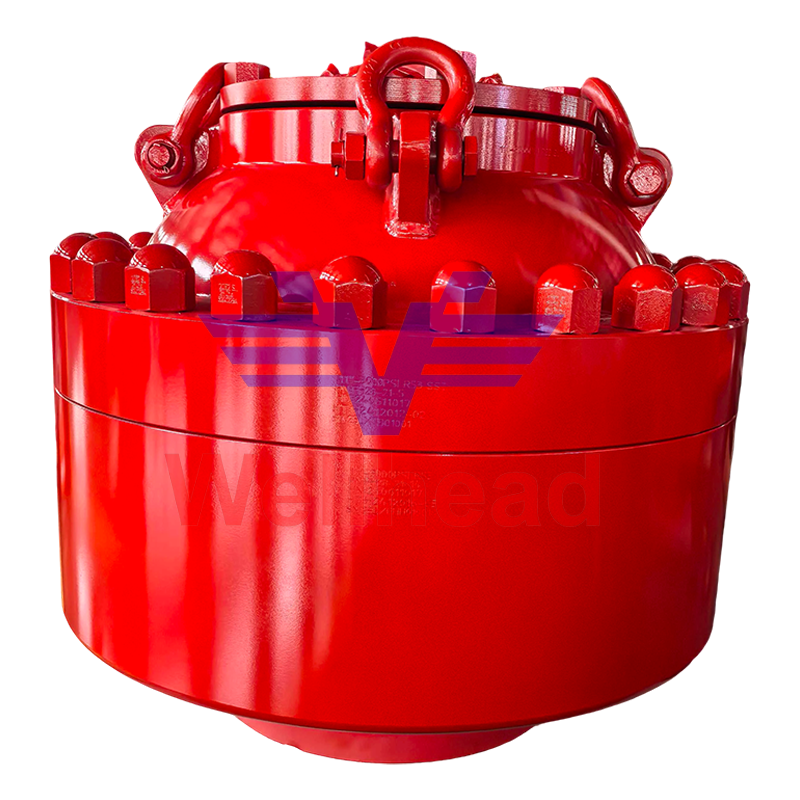
For detailed specifications and configurations, review the available fracturing head assemblies to match the right pressure rating, connection type, and sensor layout to your well plan.
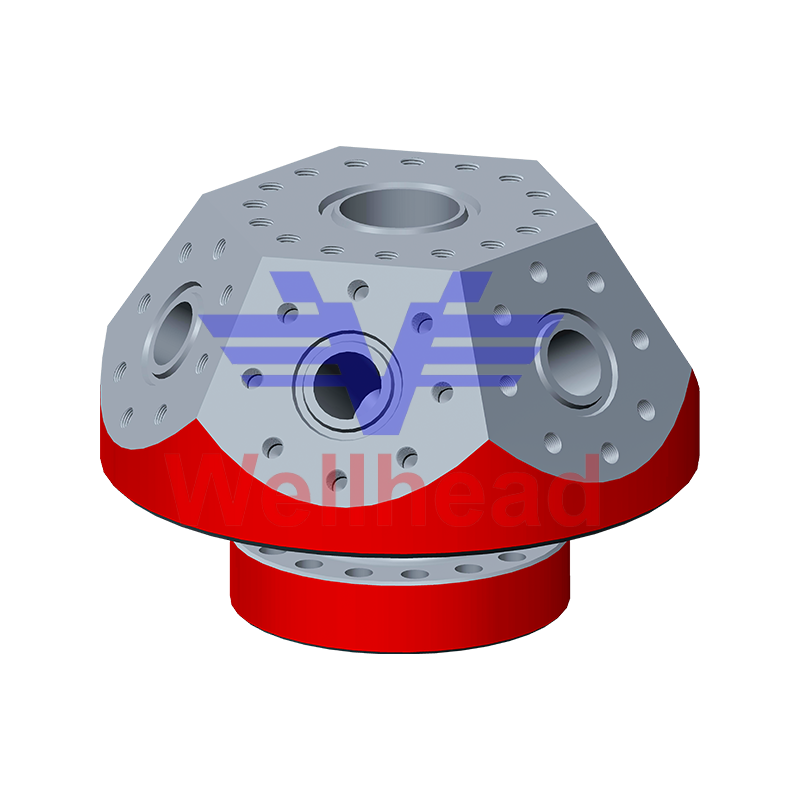 China Frac Head Suppliers, Custom Frac Head CompanyJiangsu Wellhead Drilling Equipment Co., LTD is China frac head suppliers and frac head company, We specialize in production custom frac ...View Product →
Flowhead Assemblies: Distributing Pressure with Precision
A flowhead assembly is a compact integration of flow paths, valves, and instrumentation that controls fluid distribution during well testing, production, and intervention operations. While a frac head manages injection during the stimulation itself, the flowhead system handles the broader pressure control across different operational phases, particularly during flowback and initial production.
Function and Configuration
The flowhead assembly consolidates multiple functions into a single unit: it directs produced fluids to separation equipment or test facilities, allows switching between different flow paths, and provides ports for pressure and temperature monitoring. This consolidation reduces the number of separate connections required on the wellhead, which means fewer potential leak points and a more compact footprint on location.
Wear Resistance and Maintenance
In fracturing applications, flowback fluids carry abrasive proppant and formation solids. The flowhead's internal components and sealing surfaces are subject to the same erosive wear that affects frac heads. The difference is that flowhead assemblies operate during both the stimulation and the production phase, so they must handle a wider range of flow conditions, pressures, and fluid compositions. Maintenance access is a primary design consideration—units that allow quick replacement of worn internal components reduce non-productive time between stages or between wells.
Operators evaluating flowhead assembly systems should look for designs that balance integration density with serviceability, and that use erosion-resistant materials in the high-velocity flow paths.
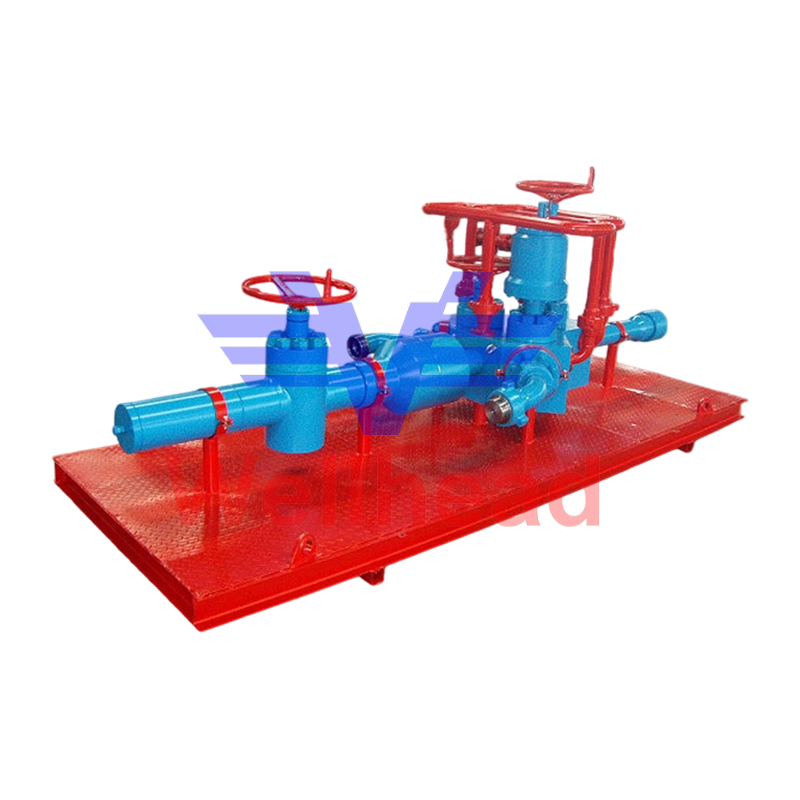 China Flowhead Assy Suppliers, Custom Flowhead Assy CompanyJiangsu Wellhead Drilling Equipment Co., LTD is China flowhead assy suppliers and flowhead assy company, We specialize in production cust...View Product →
Fracking Choke and Kill Manifolds: The Pressure Control Backbone
Well control is not optional in fracturing operations, and the choke and kill manifold systems are the primary surface equipment for maintaining it. These manifolds provide the means to relieve wellbore pressure in an emergency, circulate weighted fluids to stabilize the well, and manage the interface between the wellbore and the surface equipment during abnormal conditions.
Choke Manifolds: Controlled Pressure Release
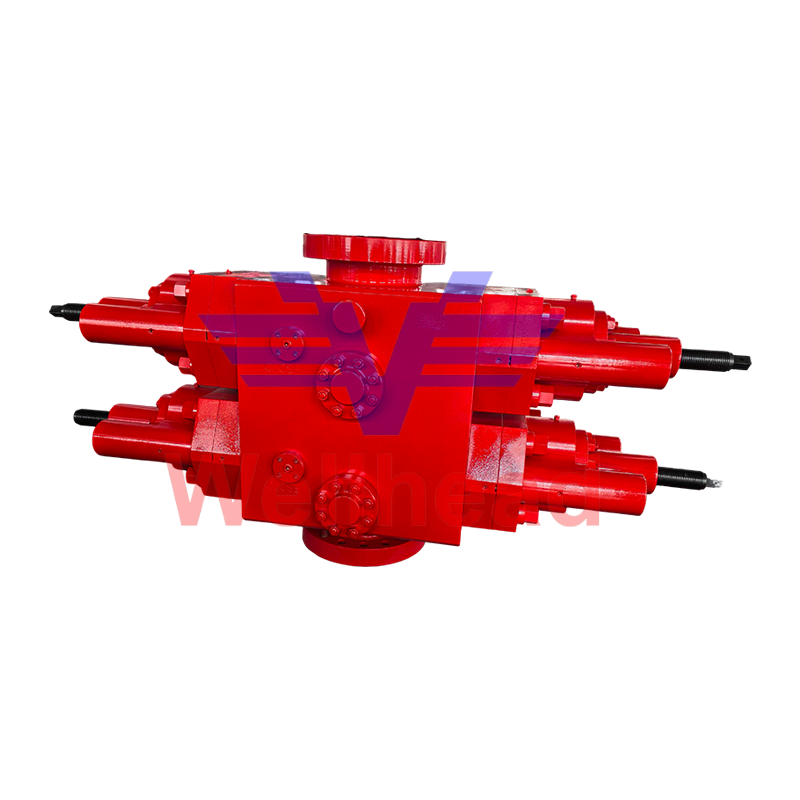
Choke manifolds are designed to safely reduce and control wellbore pressure by routing flow through adjustable or fixed orifices. In a fracturing operation, the choke manifolds are not typically used during normal injection, but they become essential if the well kicks, if surface pressure exceeds safe limits, or if the annulus needs to be bled down in a controlled manner. Folded or multi-stage choke layouts provide multiple levels of pressure reduction, allowing the operator to gradually decrease pressure rather than venting it in an uncontrolled burst—which can damage downstream piping or create a safety hazard.
Kill Manifolds: Restoring Wellbore Control
Kill manifolds serve the opposite function: they provide a high-pressure injection path into the wellbore for pumping weighted fluids—typically heavy drilling mud or completion brine—to overcome formation pressure and restore static conditions. In the context of kill manifolds, the equipment must be rated for pressures that meet or exceed the maximum anticipated surface pressure, and the flow paths must handle dense, abrasive fluids without compromising sealing integrity.
Drilling Mud Manifolds in Fracturing Operations
For wells that are fractured directly after drilling, the drilling mud manifolds connect the mud circulation system to the wellhead, supporting wellbore stability, cuttings removal, and pressure management during the transition between drilling and stimulation. Whether the operation uses separate mud and fracturing systems or integrated manifolds, the API 16C design standard applies to both choke and kill manifolds, establishing the pressure ratings, material requirements, and testing protocols that govern their reliability.
Valves and High-Pressure Fittings: Completing the System
No manifold or frac head works without the valves and connection hardware that make up the link between components. These elements handle isolation, flow direction, flow rate control, and leak prevention across the entire system.
Gate Valves
Gate valves provide full-bore isolation when fully open and positive shutoff when closed. API 6A flat gate valves are widely used in fracturing manifolds because the design creates a metal-to-metal seal that resists erosion and remains reliable under high differential pressure. The sealing mechanism matters: a gate valve that leaks under pressure compromises the entire isolation strategy of the manifold system.
Check Valves
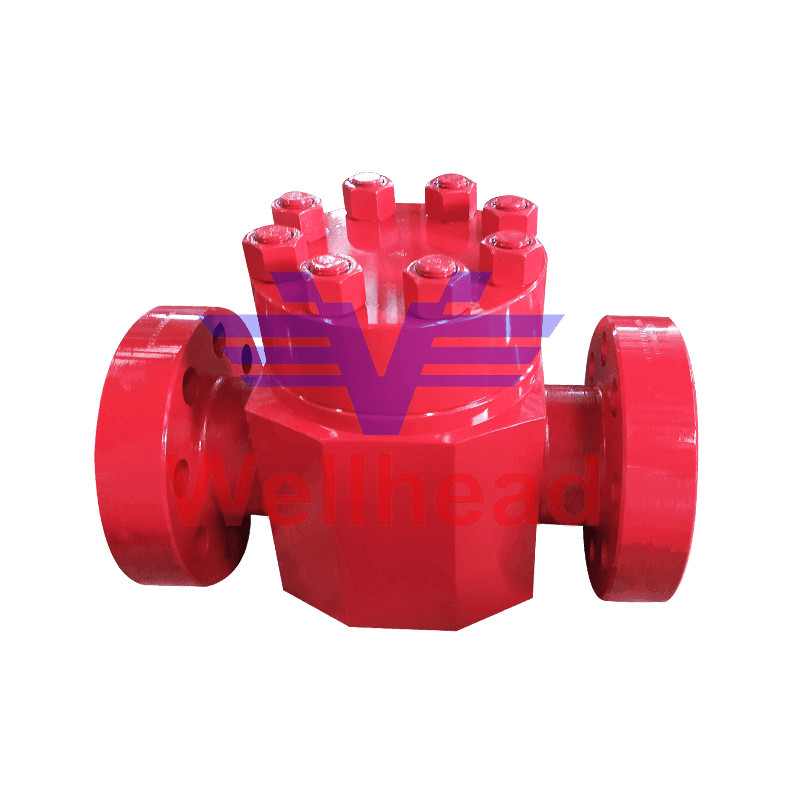
Check valves prevent reverse flow, which is essential when fracturing fluid must travel in one direction only. Dart check valves automatically seal when downstream pressure exceeds upstream pressure, blocking the backflow of proppant-laden fluid into pumps or manifold sections, which could otherwise cause severe erosion and equipment damage.
Choke Valves
For precise adjustment of flow rate and pressure during controlled flowback or pressure bleed-down, adjustable choke valves allow the operator to vary the flow area without shutting down the system. Units such as the H2 adjustable choke valve are engineered for high-temperature, high-pressure service and offer incremental control that is essential in operations requiring precise wellbore pressure management.
Plug Valves
Plug valves provide an additional isolation and diverter function, particularly in corrosive or abrasive environments. The high-pressure plug valve design uses a cylindrical or tapered plug that rotates to open or close the flow path, delivering reliable sealing with a simple operating mechanism suitable for high-pressure service.
High-Pressure Fittings and Connections
The connections between all these components are where many failures originate. High-pressure hammer unions are the workhorse connection in surface fracturing systems, allowing rapid make-and-break of connections while maintaining a seal at pressures up to the system rating. Flanges, pup joints, swivel joints, and adapters complete the physical infrastructure, and each one must match the pressure rating, material grade, and sealing specification of the system design. A mismatch in rating or material at any single connection creates a weak point that can lead to a catastrophic failure.
How to Evaluate Fracking Tool Suppliers: Standards That Matter
Once the equipment types are understood, the next question is how to select a supplier that can deliver reliable hardware consistently. The evaluation framework goes beyond comparing catalog specs and price quotes.
API Certification Coverage
The API monogram program is the most direct evidence of manufacturing competence in this equipment category. For fracturing-related hardware, look for:
- API 6A—specification for wellhead and Christmas tree equipment
- API 16A—specification for blowout prevention equipment
- API 16C—specification for choke and kill systems
- API Q1—quality management system requirements for manufacturing organizations
A supplier that holds these certifications demonstrates that its manufacturing processes, testing procedures, and quality systems have been audited against internationally recognized standards. These certifications are not a marketing claim; they are a verifiable record of manufacturing capability. Check the details of our manufacturing credentials and certifications when assessing a potential partner.
Material Selection and Precision Manufacturing
High-pressure service means that material grades and machining accuracy determine performance. Hardness, yield strength, and corrosion resistance of the body and trim materials must match the well conditions. Precision machining of sealing surfaces—whether in a gate valve, a choke trim, or a flanged connection—is what allows a component to maintain a leak-tight seal over repeated pressure cycles.
Track Record with Major Operators
Supplier qualification by major national oil companies and international service companies is a practical validation of capability. These organizations conduct their own audits and qualification testing, so approved supplier status functions as an independent reference for manufacturing reliability and product performance.
Product Portfolio Completeness
Finally, consider whether the supplier can provide the full chain of isolation and control equipment. A manufacturer that can supply frac heads, flowheads, choke and kill manifolds, valves, and high-pressure fittings from a single source reduces procurement complexity, improves interface compatibility, and simplifies after-sales support. Coordinating multiple vendors for a single pressure system introduces risk in the interfaces—and in the accountability when issues arise.
Conclusion: Building a Complete Fracking Equipment System
The surface equipment chain between the pump fleet and the wellbore is where high-pressure integrity is won or lost. A reliable fracturing operation depends on frac heads that converge and monitor injection flow, flowhead assemblies that manage fluid distribution across phases, choke and kill manifolds that provide the ultimate well-control response, and the valves and fittings that link every component into a sealed, pressure-rated system.
Rather than sourcing these components piecemeal, treat them as what they are: a single engineered system. Evaluate suppliers on API certification coverage, material and manufacturing capabilities, demonstrated track record, and the ability to deliver a complete, compatible equipment set. When the equipment is matched to the well conditions and the supplier meets those standards, the entire pressure control chain operates as designed—and that is what keeps the job safe, efficient, and on schedule.
 + 86-0515-88429333

 CONTACT US
