

 English
 русский
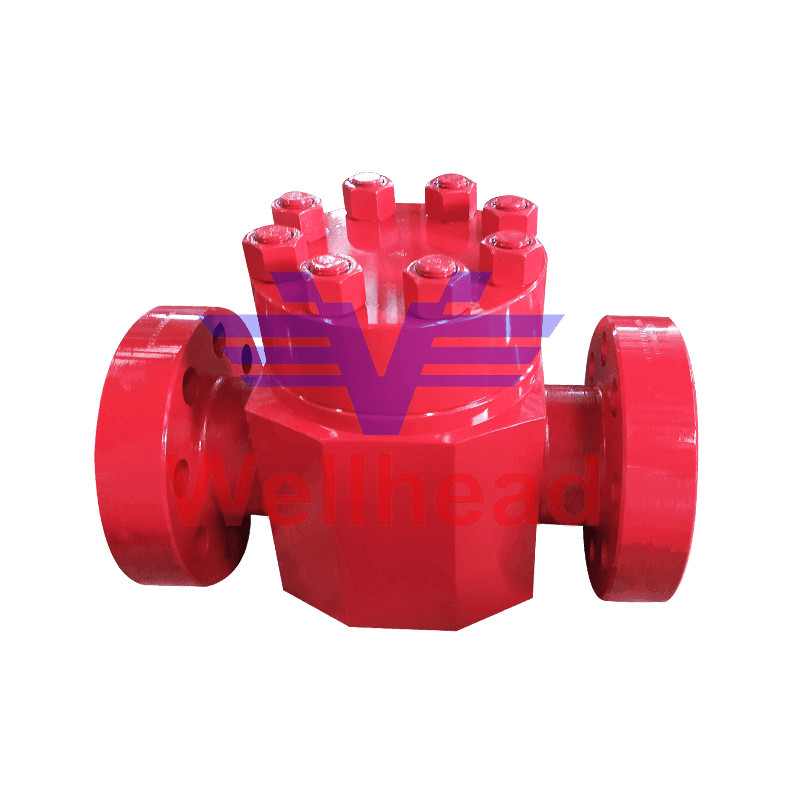
A High Pressure Plug Valve is a critical flow control device widely used in demanding industrial environments where systems must handle extreme pressure, temperature fluctuations, and corrosive media. From oil and gas pipelines to chemical processing plants, this type of valve plays an essential role in ensuring safe, reliable, and efficient operation.
Unlike conventional valve designs, the High Pressure Plug Valve is engineered with a robust internal structure that allows it to withstand high differential pressures while maintaining tight shut-off performance. Its simple yet highly effective mechanism makes it a preferred choice in applications where durability and operational reliability are non-negotiable.
Content
- What Is a High Pressure Plug Valve?
- How Does a High Pressure Plug Valve Work?
- Why High Pressure Applications Require Specialized Valves
- Materials and Construction of High Pressure Plug Valves
- Applications of High Pressure Plug Valves
- High Pressure Plug Valve vs. Other Valve Types
- Advantages of Using a High Pressure Plug Valve
- Installation and Maintenance Considerations
- Automation and Control Options
- Environmental and Safety Considerations
- Frequently Asked Questions About High Pressure Plug Valves
- Future Trends in High Pressure Plug Valve Technology
What Is a High Pressure Plug Valve?
A High Pressure Plug Valve is a quarter-turn valve that uses a cylindrical or tapered plug to control fluid flow. The plug contains a transverse passage that aligns with the valve body ports when open and blocks the flow when rotated 90 degrees to the closed position.
Designed specifically for high-pressure environments, this valve type typically features reinforced valve bodies, high-strength alloys, advanced sealing systems, and precision-machined components. These enhancements allow the valve to maintain performance even under pressures that would compromise standard valve designs.
Key Characteristics of a High Pressure Plug Valve
- Quarter-turn operation for fast opening and closing
- Excellent sealing performance under high pressure
- Compact structure with minimal pressure drop
- Long service life in harsh operating conditions
- Wide media compatibility, including gas, liquids, and slurries
How Does a High Pressure Plug Valve Work?
The working principle of a High Pressure Plug Valve is straightforward yet highly efficient. Inside the valve body sits a plug, which can be cylindrical or conical. This plug has a flow passage drilled through it.
When the valve handle or actuator rotates the plug:
- Open Position: The passage in the plug aligns with the inlet and outlet ports, allowing fluid to flow freely.
- Closed Position: The solid portion of the plug blocks the ports, stopping the flow completely.
In high-pressure applications, the plug is pressed tightly against the valve seat, either through mechanical force or pressure-assisted sealing. This ensures a tight shut-off even when system pressure is extremely high.
Lubricated vs. Non-Lubricated Plug Valves
High Pressure Plug Valves are generally available in two main designs:
- Lubricated Plug Valves: Use a sealing grease injected between the plug and body to reduce friction and enhance sealing.
- Non-Lubricated Plug Valves: Rely on advanced materials such as PTFE sleeves or elastomer liners for sealing without lubrication.
Why High Pressure Applications Require Specialized Valves
High-pressure systems place extreme stress on pipeline components. Standard valves may experience leakage, deformation, or premature failure when exposed to sustained pressure levels. A High Pressure Plug Valve is engineered to overcome these challenges.
Common Challenges in High Pressure Systems
- Seal degradation under pressure
- Excessive torque during operation
- Material fatigue and cracking
- Leakage at connection points
By using reinforced materials, precision engineering, and specialized sealing mechanisms, High Pressure Plug Valves address these issues more effectively than many alternative valve types.
Materials and Construction of High Pressure Plug Valves
The performance of a High Pressure Plug Valve is largely determined by its materials and manufacturing quality. These valves are typically constructed using:
- Carbon steel for general high-pressure applications
- Stainless steel for corrosion resistance
- Alloy steel for extreme temperature and pressure conditions
- Special coatings to reduce wear and improve chemical compatibility
Sealing Components
Advanced sealing systems are essential for high-pressure performance. Common sealing materials include:
- PTFE and reinforced PTFE
- Graphite-based seals
- Metal-to-metal sealing surfaces
Applications of High Pressure Plug Valves
The versatility of the High Pressure Plug Valve makes it suitable for a wide range of industries.
Oil and Gas Industry
Used in upstream, midstream, and downstream operations, these valves handle crude oil, natural gas, and refined products under high pressure.
Chemical and Petrochemical Processing
High Pressure Plug Valves are ideal for controlling aggressive chemicals, solvents, and high-temperature fluids.
Power Generation
In power plants, these valves manage steam, feedwater, and cooling systems that operate under extreme pressure.
Hydraulic and Pneumatic Systems
Their quick operation and tight sealing make them suitable for hydraulic circuits and compressed gas systems.
High Pressure Plug Valve vs. Other Valve Types
Understanding how a High Pressure Plug Valve compares to other valves helps engineers select the right solution.
High Pressure Plug Valve vs. Ball Valve
- Sealing: Plug valves offer superior sealing in dirty or abrasive media
- Maintenance: Ball valves are generally easier to maintain
- Pressure Handling: Plug valves often perform better at very high pressures
High Pressure Plug Valve vs. Gate Valve
- Operation Speed: Plug valves operate faster with quarter-turn action
- Size: Plug valves are more compact
- Flow Control: Gate valves are better suited for fully open or fully closed service only
High Pressure Plug Valve vs. Globe Valve
- Pressure Drop: Plug valves have lower pressure drop
- Flow Regulation: Globe valves provide finer throttling control
- Durability: Plug valves excel in severe service conditions
Advantages of Using a High Pressure Plug Valve
- Exceptional pressure resistance
- Reliable tight shut-off
- Simple internal design with fewer moving parts
- Reduced leakage risk
- Adaptability to manual or automated operation
Installation and Maintenance Considerations
Proper installation is essential to maximize the lifespan of a High Pressure Plug Valve. Key considerations include correct alignment, appropriate torque settings, and compatibility with pipeline materials.
Maintenance Best Practices
- Regular inspection of seals and plugs
- Proper lubrication for lubricated designs
- Monitoring operating torque for early wear detection
- Replacing worn components before leakage occurs
Automation and Control Options
Modern High Pressure Plug Valves can be equipped with pneumatic, hydraulic, or electric actuators. This allows seamless integration into automated control systems, improving operational efficiency and safety.
Environmental and Safety Considerations
Leak prevention is a critical concern in high-pressure systems. A well-designed High Pressure Plug Valve minimizes fugitive emissions and supports compliance with strict environmental and safety regulations.
Frequently Asked Questions About High Pressure Plug Valves
What pressure range can a High Pressure Plug Valve handle?
Depending on design and materials, High Pressure Plug Valves can handle pressures ranging from several hundred bar to over 10,000 psi in specialized applications.
Are High Pressure Plug Valves suitable for corrosive media?
Yes. When manufactured with corrosion-resistant alloys and compatible seals, they perform well in corrosive and aggressive environments.
Do High Pressure Plug Valves require frequent maintenance?
Maintenance frequency depends on operating conditions. Lubricated designs may require periodic grease injection, while non-lubricated valves typically require less routine maintenance.
Can a High Pressure Plug Valve be used for throttling?
While primarily designed for on/off service, certain plug valve designs can handle limited throttling. However, continuous throttling is not recommended unless specified by the manufacturer.
How does temperature affect High Pressure Plug Valve performance?
Extreme temperatures can influence seal materials and lubrication. Selecting appropriate materials ensures stable performance across a wide temperature range.
Future Trends in High Pressure Plug Valve Technology
Advancements in materials science and precision manufacturing continue to improve the performance of High Pressure Plug Valves. Developments such as advanced coatings, smart valve monitoring, and low-emission designs are shaping the next generation of high-pressure flow control solutions.
As industries demand higher efficiency, improved safety, and longer service life, the High Pressure Plug Valve remains a vital component in modern industrial infrastructure.
 + 86-0515-88429333

 CONTACT US
