

 English
 русский
Content
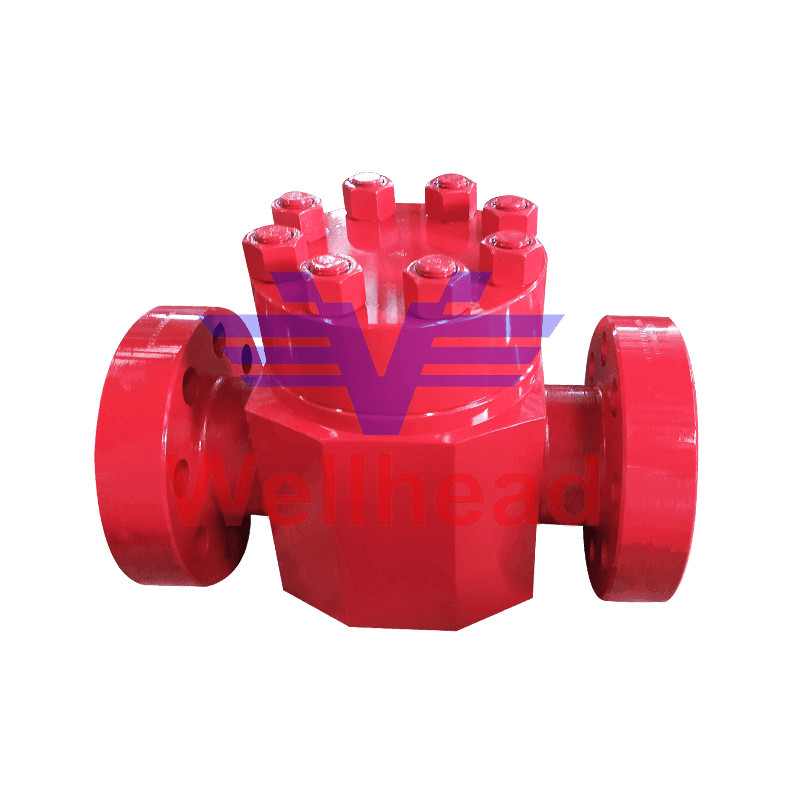
What Is an API 6A Check Valve?
The API 6A Check Valve is an essential component used in oil and gas operations to control the flow of fluids and gases within pipelines. It is designed to automatically prevent backflow, ensuring that pressure within the system remains balanced. The API 6A standard, set by the American Petroleum Institute, defines the requirements for valves used in the oil and gas industry, with specific attention to safety, performance, and durability under extreme conditions.
Key Features of API 6A Check Valve
- High Durability: Made from corrosion-resistant materials such as stainless steel, these valves can withstand harsh environments.
- Self-Operating: The valve operates without manual intervention, ensuring continuous protection against backflow.
- Pressure Control: It helps maintain the stability of the pipeline by preventing reverse flow, which can damage equipment.
- Compliance: Designed to meet the stringent requirements of API 6A, which ensures reliability and safety in critical oil and gas operations.
How Does an API 6A Check Valve Work?
API 6A Check Valves are typically installed in pipelines, flow lines, or wellheads to prevent reverse flow. The valve operates automatically based on the direction of the fluid flow. When the flow is in the correct direction, the valve remains open, allowing the fluid to pass. However, if there is a reverse flow, the valve closes, stopping any backflow that could cause damage or operational issues.
The valve is designed with a spring-loaded or weight-activated mechanism that helps it close when the flow direction reverses. This ensures that the pipeline maintains optimal pressure, preventing any backpressure from damaging sensitive equipment.
Applications of API 6A Check Valves
- Wellheads: Used to control the flow of oil and gas in wellhead systems, ensuring pressure management and safety.
- Flowlines: Installed in flowlines to prevent reverse flow, which could lead to operational inefficiencies.
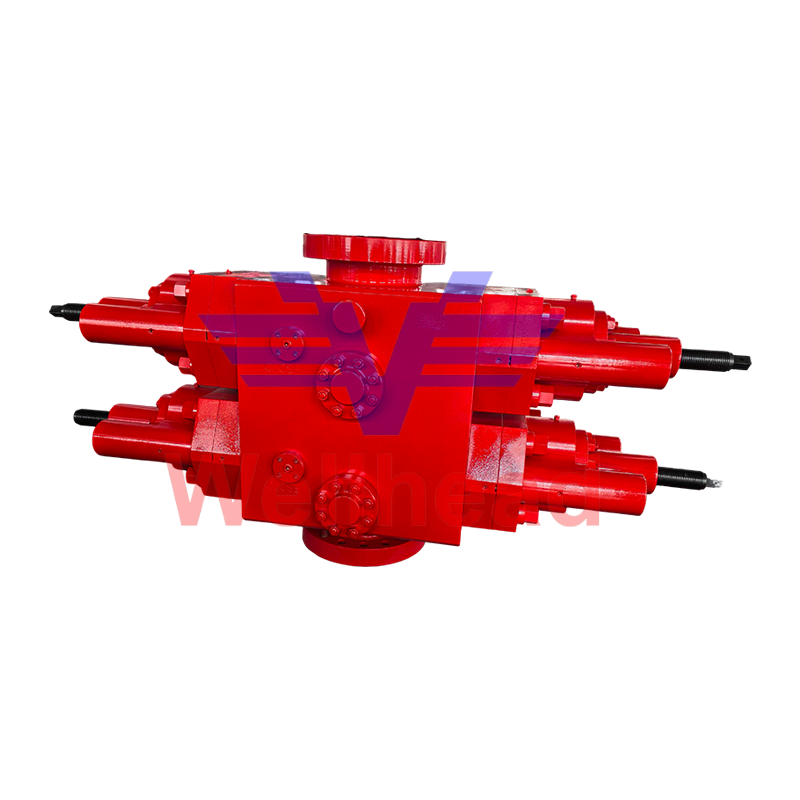
- Blowout Preventers (BOP): API 6A Check Valves are critical in BOP systems to maintain pressure control during drilling operations.
- Pipeline Systems: In pipelines, these valves prevent the flow of hazardous fluids from moving in the wrong direction.
Comparison with Other Check Valves
When compared to other types of check valves, such as ball check valves or swing check valves, the API 6A Check Valve stands out due to its adherence to industry-specific standards. Here's a comparison table to highlight the key differences:
| Feature | API 6A Check Valve | Ball Check Valve | Swing Check Valve |
|---|---|---|---|
| Standard | API 6A | ANSI | ANSI |
| Self-Operating | Yes | No | Yes |
| Material | Corrosion-resistant steel | Brass/Stainless Steel | Stainless Steel |
| Usage | High-pressure, critical systems | Low to medium pressure systems | Medium to high pressure systems |
| Flow Control | Prevents backflow | Prevents backflow | Prevents backflow |
Benefits of Using API 6A Check Valves
- Improved Safety: By preventing backflow, these valves help avoid hazardous conditions that could lead to accidents or equipment failure.
- System Efficiency: API 6A Check Valves ensure that systems operate smoothly without interruptions, reducing maintenance needs.
- Cost-Effective: Preventing backflow can save on costly repairs and reduce the need for emergency maintenance.
- Durability: Built to withstand extreme temperatures and pressure, API 6A Check Valves last longer, reducing the frequency of replacements.
FAQ
What is the main purpose of an API 6A Check Valve?
The primary purpose of an API 6A Check Valve is to prevent reverse fluid flow, which could lead to damage, inefficiency, or dangerous situations in oil and gas systems.
Can API 6A Check Valves be used in low-pressure systems?
While API 6A Check Valves are designed for high-pressure systems, they can be used in lower-pressure systems if needed, though they are typically over-engineered for such applications.
How often should API 6A Check Valves be inspected?
Regular inspections should be conducted based on the system’s operating conditions, but it is recommended to inspect API 6A Check Valves at least once a year or as per the manufacturer's guidelines.
Can I replace an API 6A Check Valve with another type of check valve?
It is not recommended to replace an API 6A Check Valve with another type unless it meets the same industry standards and performance requirements, as they are specifically designed for critical applications in oil and gas systems.
 + 86-0515-88429333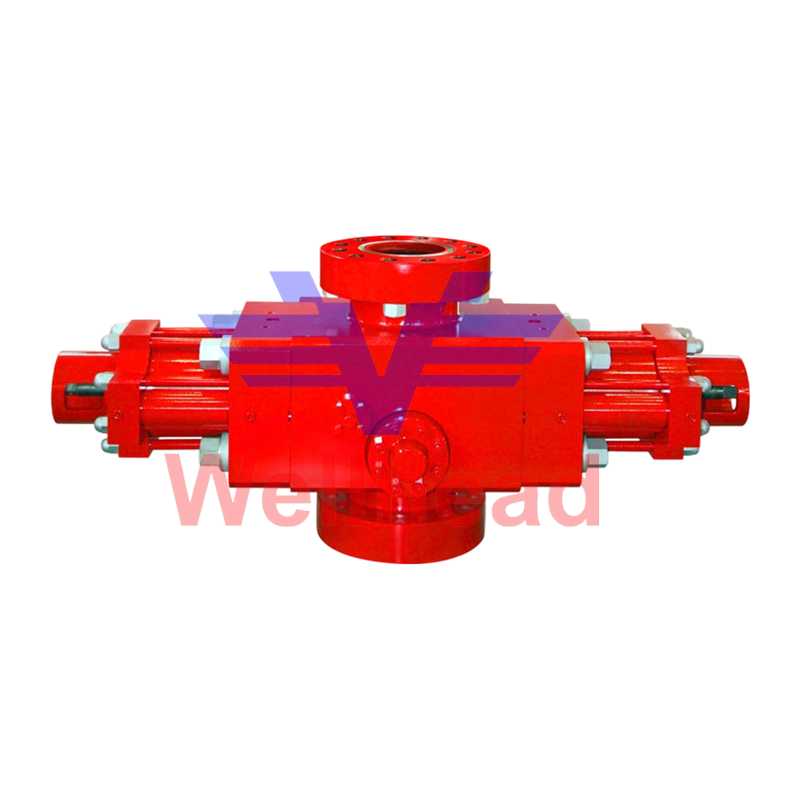

 CONTACT US
