

 English
 русский
An oil derrick is a tall, tower-like steel framework erected over an oil well to support the drilling equipment and machinery needed to extract petroleum from beneath the earth's surface. Whether you've seen one on the horizon in Texas or in a documentary about offshore energy production, the oil derrick is one of the most iconic symbols of the petroleum industry — and one of the most mechanically important.
Content
- What Is an Oil Derrick, Exactly?
- The History of the Oil Derrick
- How Does an Oil Derrick Work?
- Key Components of an Oil Derrick
- Types of Oil Derricks
- Oil Derrick Types: Side-by-Side Comparison
- Oil Derrick vs. Drilling Rig: What's the Difference?
- Materials and Engineering Behind Oil Derricks
- Safety Considerations on Oil Derricks
- Environmental Impact and the Future of Oil Derricks
- Frequently Asked Questions About Oil Derricks
- Q: How tall is a typical oil derrick?
- Q: How long does an oil derrick stay at a well site?
- Q: Is a pump jack the same as an oil derrick?
- Q: What replaced the old wooden oil derricks?
- Q: How much does an oil derrick cost?
- Q: Can oil derricks be used for natural gas wells?
- Q: What is the derrickman's job on an oil rig?
- Conclusion
What Is an Oil Derrick, Exactly?
An oil derrick is a rigid, permanent or semi-permanent structure — typically made of steel — that provides the vertical height and mechanical support necessary to drill deep into the earth for oil and gas. The derrick acts as the structural backbone of the entire drilling operation, suspending the drill string, supporting the crown block and traveling block, and bearing the immense vertical loads associated with drilling to depths that can exceed 30,000 feet (9,144 meters).
Unlike a drilling rig — a broader term that encompasses all the machinery, pumps, and personnel on-site — the oil derrick refers specifically to the structural tower. However, in common usage, the two terms are often used interchangeably.
The term "derrick" itself traces back to a 17th-century English hangman named Thomas Derrick, whose gallows had a distinctive hoisting arm — the same basic mechanical principle used in early oil derricks to lift heavy loads.
The History of the Oil Derrick
The oil derrick's story begins with the birth of the modern petroleum industry in the mid-19th century. Edwin Drake's 1859 well in Titusville, Pennsylvania — widely considered the world's first commercially successful oil well — used a simple wooden derrick to support its cable-tool drill.
Early Wooden Derricks (1860s–1920s)
Early oil derricks were constructed from locally available timber. These structures were often 60 to 80 feet tall and were built entirely on-site. They were used with cable-tool drilling — a percussive technique in which a heavy bit was repeatedly dropped to pulverize rock. Wooden derricks were cheap and fast to build, but highly combustible and prone to collapse.
Steel Derricks and Rotary Drilling (1900s–1950s)
The shift to rotary drilling — which uses a rotating bit rather than a pounding motion — required taller, sturdier structures. Steel replaced wood as the dominant material. The Spindletop gusher of 1901 in Beaumont, Texas, which produced over 100,000 barrels per day at its peak, dramatically demonstrated the power of this new approach and drove widespread adoption of steel derricks.
Modern Drilling Masts and Portable Rigs (1960s–Present)
Today, many onshore drilling operations use portable mast-type derricks that can be transported from site to site via truck. Offshore operations rely on purpose-built platforms or floating drill ships with integrated derricks. Modern derricks can stand over 200 feet (61 meters) tall and support hook loads exceeding 2 million pounds.
How Does an Oil Derrick Work?
An oil derrick works by providing a tall, rigid framework that allows drillers to raise and lower the drill string, handle pipe sections, and control the weight applied to the drill bit — all essential functions for reaching petroleum reservoirs deep underground.
Here's a step-by-step breakdown of the core process:
- Drill string assembly: Steel pipe sections (each typically 30 feet long) are connected and lowered through the derrick floor into the well bore.
- Rotary table or top drive: A mechanical system rotates the entire drill string, turning the drill bit at the bottom to cut through rock.
- Drilling fluid circulation: Drilling mud is pumped down through the drill string and back up the annulus (the space between the pipe and the borehole wall), carrying rock cuttings to the surface and stabilizing the well.
- Hoisting system: The derrick's crown block (at the top) and traveling block (which moves up and down) use wire rope to lift or lower the drill string as needed.
- Pipe racking: When adding new sections of pipe or pulling the drill string out, workers "trip" the pipe in or out of the hole. The derrick's height allows workers to handle stands of pipe (typically three 30-foot joints connected = 90 feet) efficiently.
Key Components of an Oil Derrick
Understanding what makes up an oil derrick helps clarify how it performs such demanding work. Below are the primary structural and mechanical components:
| Component | Location | Primary Function |
| Crown Block | Top of the derrick | Fixed pulley system that anchors the wire rope and redirects load forces |
| Traveling Block | Below crown block, moves vertically | Moveable pulley that carries the hook and drill string up and down |
| Drawworks | Derrick floor level | Large winch that reels in or pays out the wire rope to raise or lower pipe |
| Rotary Table / Top Drive | Rig floor | Provides rotational torque to turn the drill string and bit |
| Monkey Board | Upper section of derrick | Platform where the derrickman stands to handle pipe stands during tripping |
| Substructure | Base of the derrick | Elevates the rig floor to allow blowout preventers and wellhead equipment to fit beneath |
| V-Door | Side of the derrick | Opening through which pipe is lifted from the pipe rack onto the rig floor |
Table: Major structural and mechanical components of a typical oil derrick and their roles in the drilling operation.
Types of Oil Derricks
There are several distinct types of oil derricks, each designed for specific geological conditions, geographic locations, and operational requirements.
1. Standard (Conventional) Derrick
The standard derrick is built piece by piece on-site and is not easily moved. It was the dominant design from the early 20th century through the 1950s. These derricks are tall, pyramid-shaped steel lattice structures, typically ranging from 136 to 175 feet in height. While still used in some permanent or long-term operations, they have been largely replaced by more portable designs.
2. Portable Mast (Jackknife Derrick)
The portable mast, also called a jackknife or folding mast, is the most common onshore derrick type today. It is pre-fabricated and transported to the drilling site on trucks, then raised into position using hydraulic systems. Portable masts can be raised or lowered in hours rather than days and are ideal for operations where the rig moves frequently between well sites. Heights typically range from 100 to 200 feet.
3. Slingshot Derrick
A variation of the portable mast, the slingshot derrick uses a "slingshot" configuration for raising. These are especially popular for workover and service rigs, where speed of rig-up and rig-down is critical. They are typically lighter and smaller than full drilling masts.
4. Offshore Platform Derrick
Fixed offshore platforms — such as those found in the Gulf of Mexico or the North Sea — feature integrated derricks built directly into the platform structure. These can be enormous: some offshore derricks on semi-submersible platforms have hook load capacities exceeding 3 million pounds and rise over 250 feet above the platform deck.
5. Drill Ship Derrick
Drill ships are self-propelled vessels equipped with a derrick mounted over a central moonpool — an opening in the hull through which the drill string passes into the ocean below. These are used in ultra-deepwater environments, where water depths can exceed 12,000 feet (3,657 meters). Drill ships offer maximum operational flexibility and are typically the most technologically advanced drilling platforms in existence.
Oil Derrick Types: Side-by-Side Comparison
The table below compares the major oil derrick types across the most critical operational parameters to help clarify which type is best suited for different scenarios.
| Derrick Type | Mobility | Typical Height | Best Use Case | Relative Cost |
| Standard Derrick | Fixed / None | 136–175 ft | Long-term onshore wells | Medium |
| Portable Mast | High (truck-mounted) | 100–200 ft | Multi-well pad drilling | Medium |
| Slingshot Derrick | High | 80–140 ft | Workover and service operations | Low–Medium |
| Offshore Platform Derrick | Low (platform-fixed) | 150–250+ ft | Deepwater / offshore reservoirs | Very High |
| Drill Ship Derrick | Very High (self-propelled) | 200–250+ ft | Ultra-deepwater exploration | Extremely High |
Table: Comparison of the five main oil derrick types by mobility, height, application, and relative cost.
Oil Derrick vs. Drilling Rig: What's the Difference?
An oil derrick is the tower structure only, while a drilling rig is the complete system — including the derrick, engines, pumps, mud systems, and all personnel and equipment needed to drill a well.
Think of it this way: the derrick is to the drilling rig what the frame is to a house. The frame is an essential structural component, but the house also includes the plumbing, electrical systems, roof, and interior finishings. Similarly, the oil derrick is just one part of the larger drilling rig system.
| Feature | Oil Derrick | Drilling Rig |
| Definition | The structural tower only | The entire drilling system |
| Includes engines? | No | Yes |
| Includes mud pumps? | No | Yes |
| Includes crew quarters? | No | Sometimes |
| Primary role | Structural support and hoisting height | Complete well-drilling capability |
Table: Key distinctions between an oil derrick and a full drilling rig system.
Materials and Engineering Behind Oil Derricks
Modern oil derricks are engineering marvels built to withstand extraordinary mechanical and environmental stresses. They must support massive vertical hook loads, resist lateral wind forces, and operate reliably in extreme environments — from the scorching heat of Middle Eastern deserts to the freezing offshore waters of the Norwegian Sea.
Steel and Alloys
High-strength structural steel — often ASTM A36 or A572 grade — is the primary material. Offshore derricks may use higher-grade alloys for corrosion resistance in saline environments. A modern land derrick may contain anywhere from 50 to 200 tons of structural steel, while large offshore derricks can require significantly more.
Load Ratings
Derricks are rated by their hook load capacity — the maximum weight they can support on the traveling block. Common land rig derricks are rated from 500,000 to 2,000,000 pounds. Offshore units may exceed 3,000,000 pounds. These ratings account for static pipe weight as well as dynamic shock loads during drilling.
Wind Load Design
Derricks must also be engineered to resist wind. Most are designed for wind speeds of at least 100 mph (160 km/h), with offshore units built to handle hurricane-force winds exceeding 150 mph (241 km/h). The open lattice structure of a derrick is intentionally designed to allow wind to pass through, reducing the surface area exposed to wind pressure.
Safety Considerations on Oil Derricks
Working on an oil derrick is one of the most physically demanding and potentially hazardous jobs in the energy industry. However, modern safety regulations, technology, and training have dramatically reduced accident rates over the past few decades.
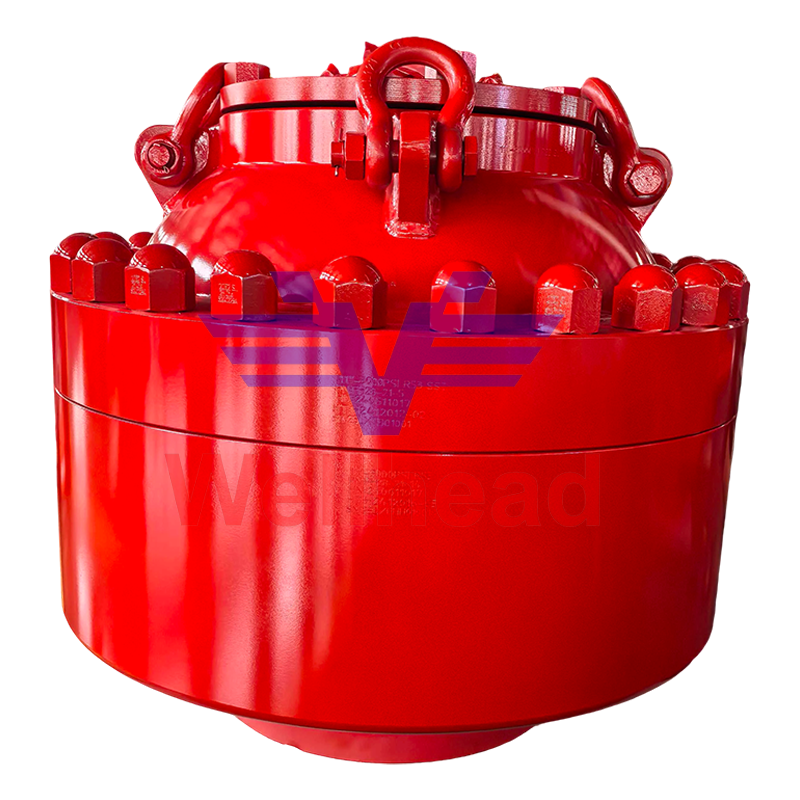
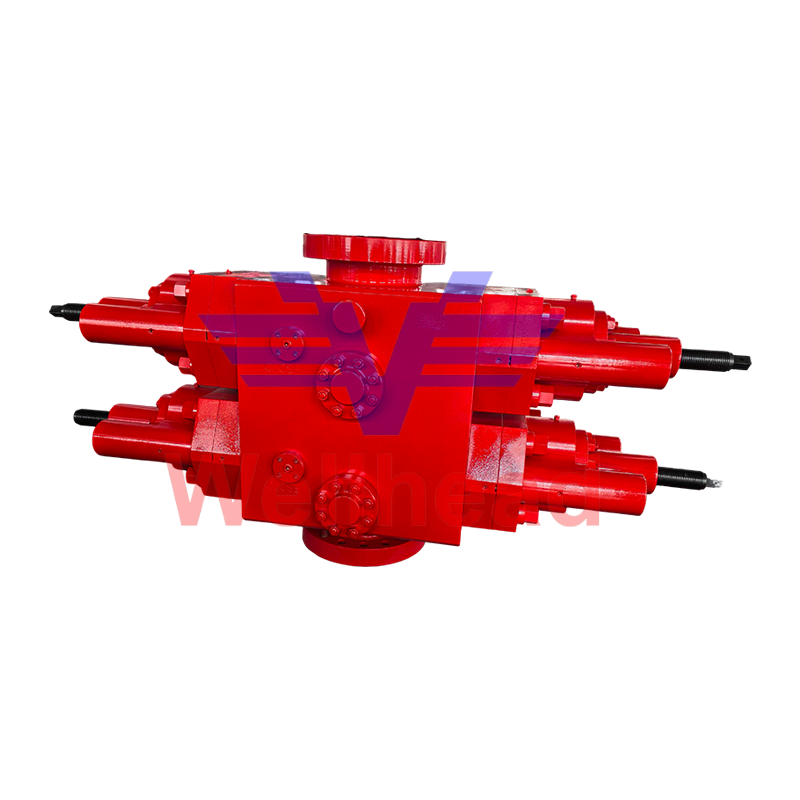
- Blowout preventers (BOPs): Massive hydraulic valves installed at the wellhead to shut in the well in the event of a pressure surge that could cause a blowout. Required by law on all drilling operations.
- Fall protection: The derrickman works at heights of 80 to 120 feet above the rig floor; modern rigs use full-body harnesses, safety cages, and escape devices.
- Pipe handling automation: Robotic pipe handling systems have largely replaced manual pipe racking in modern rigs, dramatically reducing the risk of pinch-point injuries.
- Gas detection systems: Continuous monitoring for hydrogen sulfide (H2S) and other hazardous gases is standard practice.
- Rig inspections: Derricks must be regularly inspected for structural integrity, with non-destructive testing (NDT) methods used to detect cracks or corrosion in critical load-bearing members.
Environmental Impact and the Future of Oil Derricks
The environmental footprint of oil derricks and drilling operations is a major topic of debate. On one hand, modern drilling technologies have significantly reduced the land disturbance and fluid waste associated with each well. On the other hand, the extraction of fossil fuels remains a central concern in discussions about climate change.
Directional and Horizontal Drilling
Directional drilling — the ability to steer the drill bit in non-vertical directions — means that a single surface location can now access multiple reservoir targets spread across a wide underground area. A single derrick can drill a dozen or more wells from one multi-well pad, drastically reducing the number of access roads and surface locations required.
Reduced Drilling Times
A well that might have taken 60 days to drill in the 1990s can now be completed in 10 to 15 days with modern rotary steerable systems, advanced drill bits, and real-time data analytics — meaning the derrick occupies a location for a shorter period and the overall environmental disturbance is reduced.
Digital and Automated Derricks
The oil industry is increasingly integrating digital twin technology, AI-driven drilling optimization, and remote operations centers into rig operations. Some cutting-edge rigs now operate with significantly reduced crew sizes thanks to automation, improving both safety and efficiency.
Frequently Asked Questions About Oil Derricks
Q: How tall is a typical oil derrick?
A: Most onshore oil derricks range from 100 to 200 feet (30 to 61 meters) in height. Offshore platform derricks can exceed 250 feet (76 meters). The taller the derrick, the longer the pipe stands it can handle, which speeds up drilling operations.
Q: How long does an oil derrick stay at a well site?
A: Once drilling is complete, the derrick is removed. Most onshore derricks are on-site for anywhere from a few weeks to several months, depending on the complexity of the well. After drilling, the well is completed and the derrick is moved to a new location. What remains permanently is the wellhead equipment at ground level.
Q: Is a pump jack the same as an oil derrick?
A: No. A pump jack (also called a nodding donkey or horsehead pump) is the rocking mechanical device used to pump oil from a well that is already drilled and producing. An oil derrick is the tall structure used during the drilling phase. The two serve very different purposes: the derrick is temporary and used for drilling; the pump jack is permanent and used for production.
Q: What replaced the old wooden oil derricks?
A: Wooden oil derricks were replaced by steel lattice derricks beginning in the early 20th century. Modern operations now predominantly use portable steel mast-type derricks, which can be transported and erected rapidly. Old wooden derricks are now mainly found as historical monuments and in museums.
Q: How much does an oil derrick cost?
A: The cost of an oil derrick alone can range from $500,000 to several million dollars, depending on its size and specifications. When you factor in the full drilling rig package — engines, pumps, mud systems, accommodations, and logistics — a complete onshore rig can cost $10 million to $30 million or more. A modern ultra-deepwater drill ship with its integrated derrick can be valued at over $600 million to $1 billion.
Q: Can oil derricks be used for natural gas wells?
A: Yes. The same types of oil derricks and drilling equipment are used to drill natural gas wells. The drilling process is essentially identical; the difference lies in the reservoir type and the surface production equipment installed after drilling is complete.
Q: What is the derrickman's job on an oil rig?
The derrickman is a highly skilled rig worker who operates at the monkey board — a platform approximately 80 to 120 feet up in the derrick — during pipe tripping operations. The derrickman guides pipe stands into the fingerboard (a rack that holds individual pipe stands) and monitors the drilling fluid (mud) system. It is one of the most dangerous positions on a rig due to the working heights involved.
Conclusion
An oil derrick is far more than a piece of industrial scenery — it is a precisely engineered structural system that makes the extraction of petroleum from the earth possible. From the wooden towers of 19th-century Pennsylvania to today's digitally integrated offshore platforms, the oil derrick has continuously evolved in response to the demands of deeper reservoirs, harsher environments, and more complex well designs.
Understanding what an oil derrick is, how it works, and the different types available provides a solid foundation for understanding the broader world of oil and gas exploration and production. As the energy industry navigates the transition toward lower-carbon sources, drilling technology — and the derrick at its heart — continues to advance toward safer, more efficient, and less environmentally disruptive operations.
 + 86-0515-88429333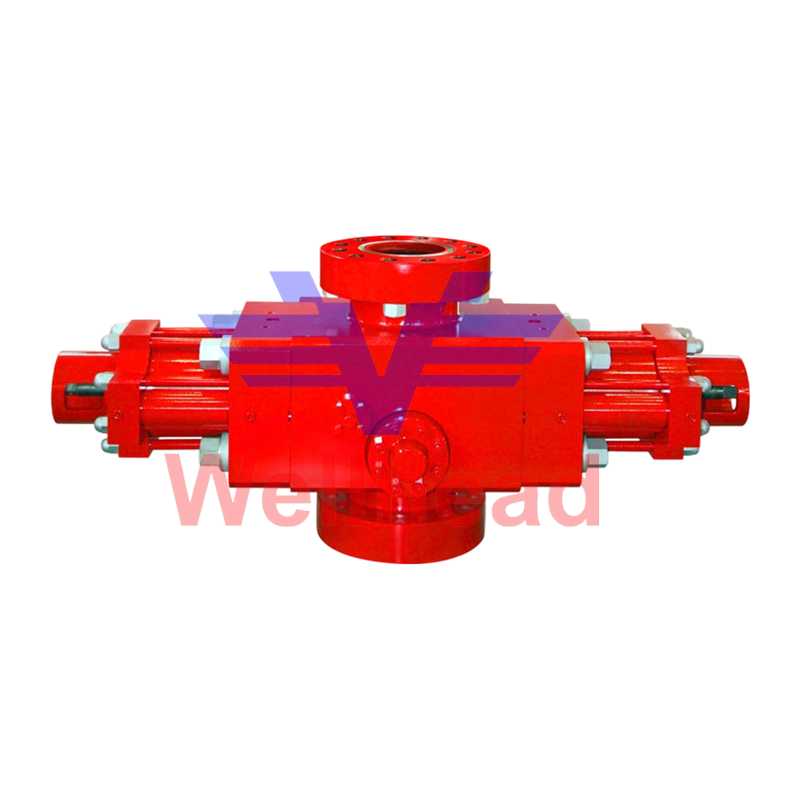

 CONTACT US
